
Last updated November 21, 2026
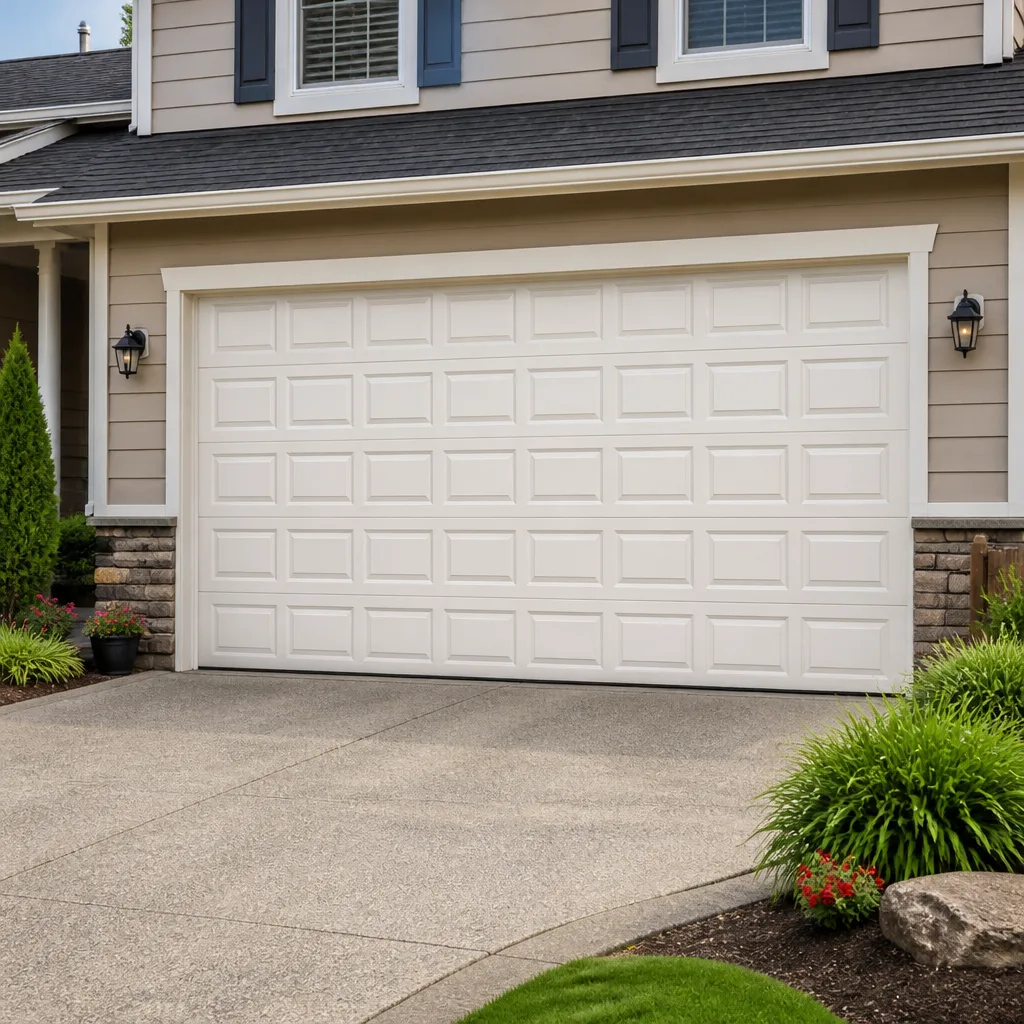 Raised-panel steel
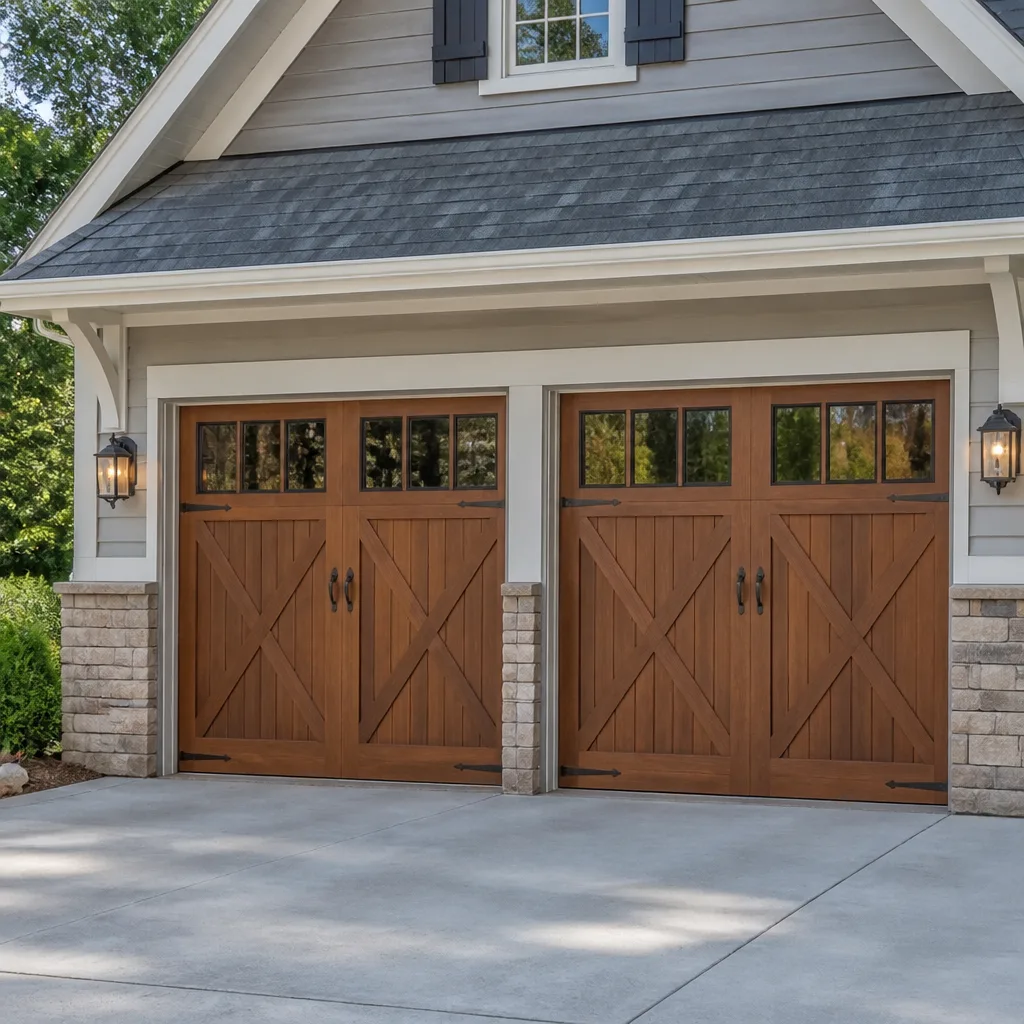 Carriage house
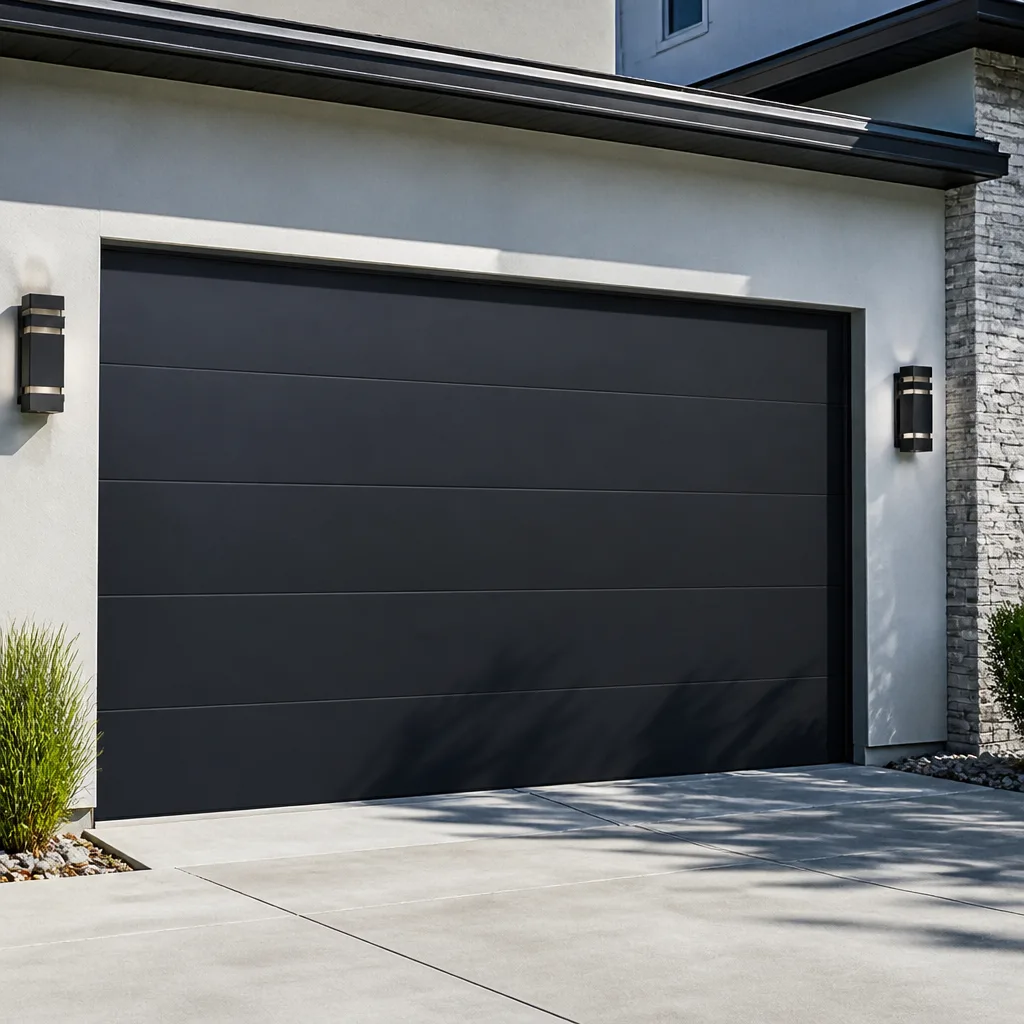 Modern flush
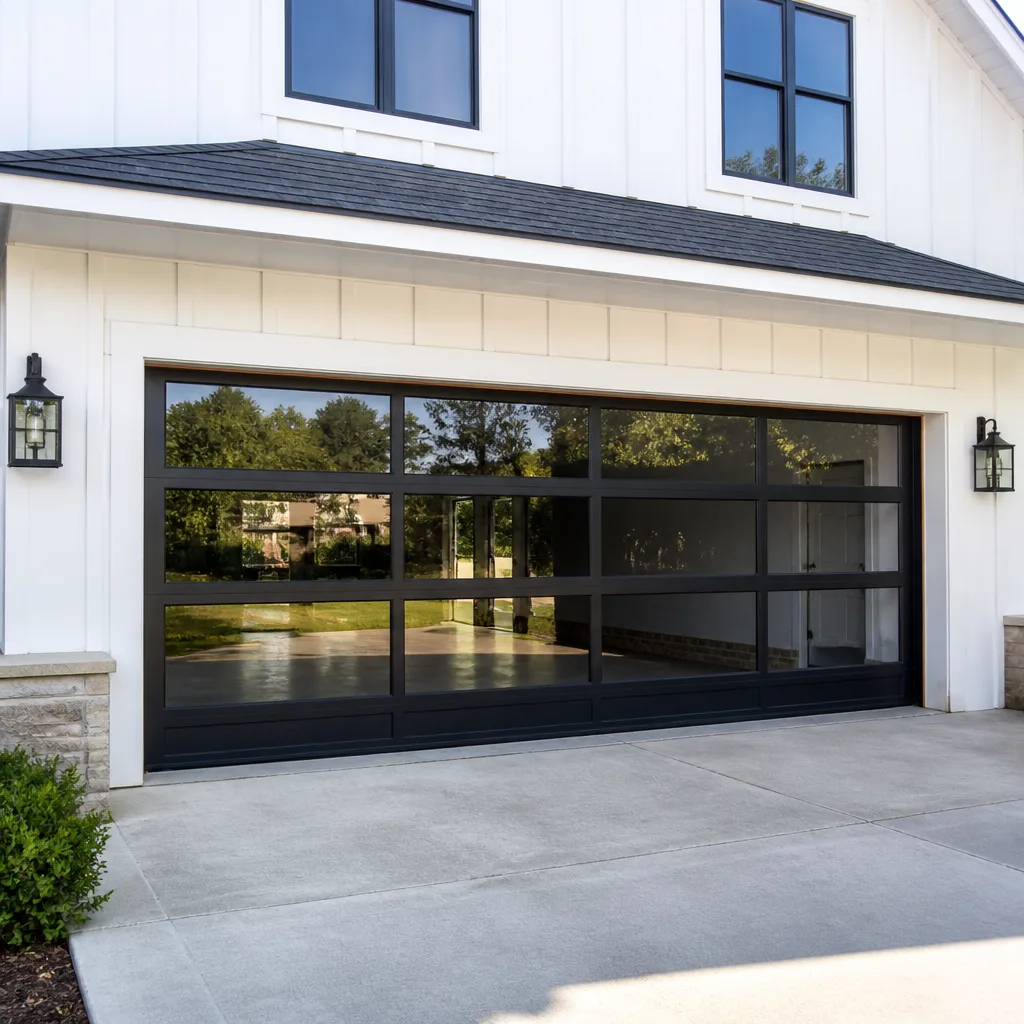 Full-view glass
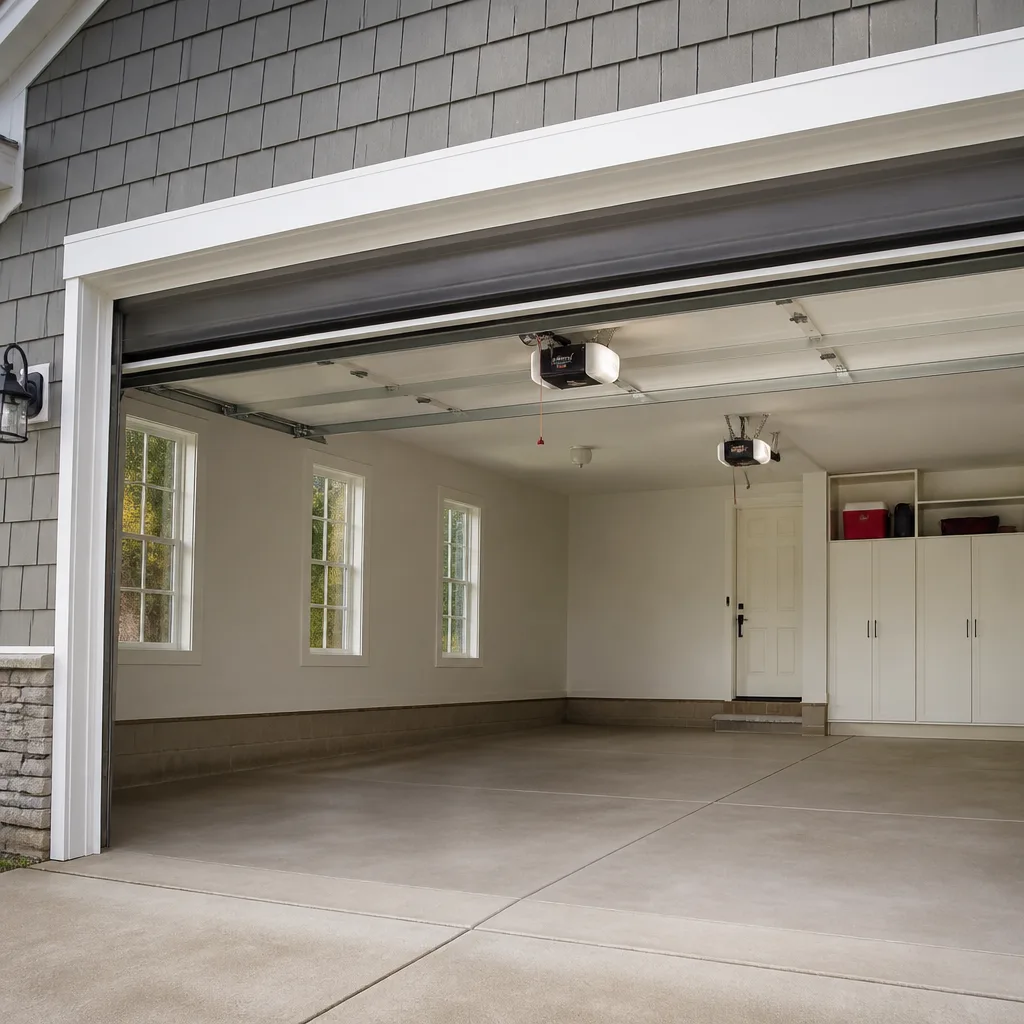 LiftMaster openers
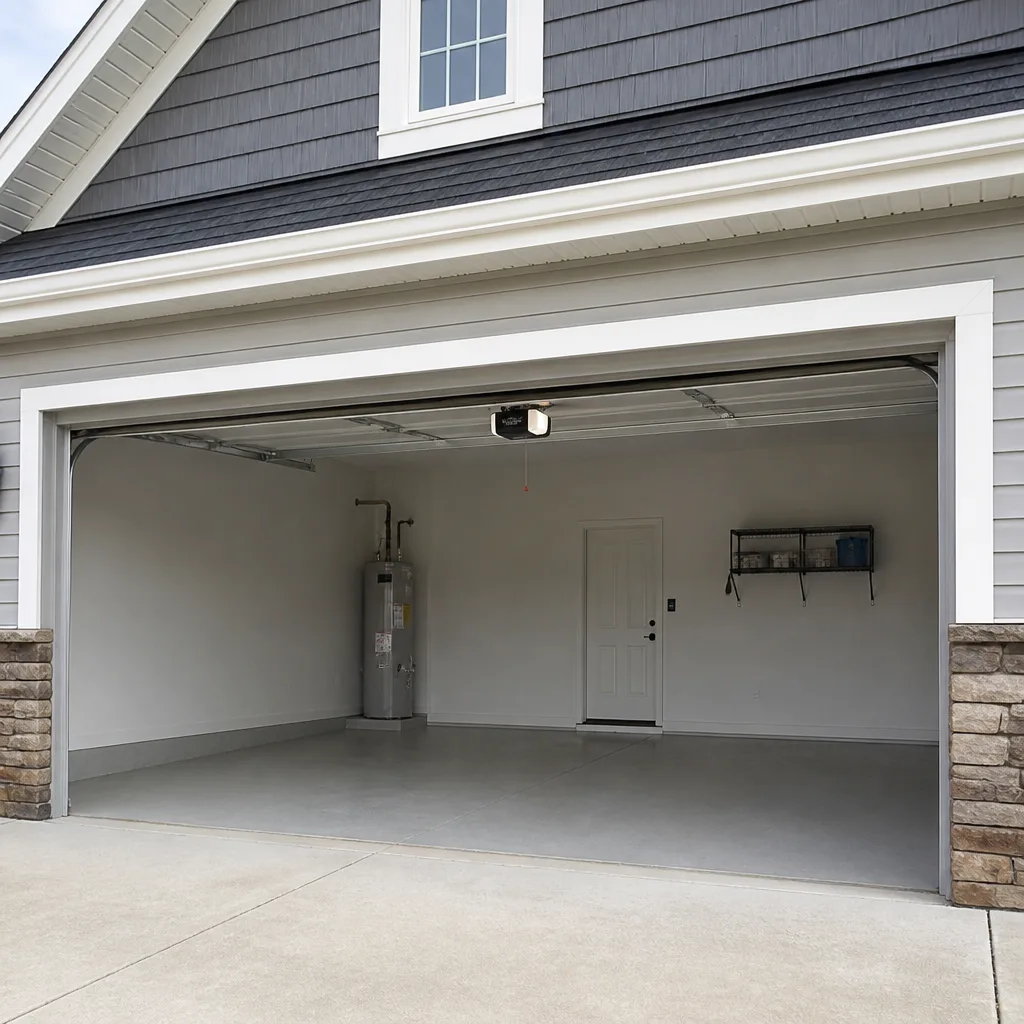 Chamberlain openers
Full 25-point door and opener safety check with every visit - springs, cables, rollers, tracks, and your LiftMaster or Chamberlain opener included
You get a price before we start. It does not change when the pro arrives.
Get your free estimateDIY vs Professional Garage Door: The Davie Homeowner’s Decision Guide
Most guides to the DIY-or-call question treat it as a pure skill test: are you handy enough? In Florida, that framing misses a second question that matters just as much. A garage door in Davie isn’t only a moving panel on a track. It’s often a rated component of your home’s opening protection, and a repair done the wrong way can quietly strip that rating from your paperwork. So the real answer depends on three things at once: whether the job is safe, whether it’s legal for a homeowner to do it, and whether doing it yourself keeps your door’s approval record intact. This guide sorts garage door work into those three buckets so you know exactly where you stand, with the code, safety and cost context a Davie homeowner actually needs.
Quick Answer
Some garage door tasks are genuinely fine to do yourself: lubricating tracks and rollers, tightening brackets, replacing a weather seal, and programming a compatible remote or opener keypad. Torsion springs, cables and anything involving the high-tension hardware that lifts the door are dangerous everywhere and should go to a trained technician. In Florida, work that affects the rated performance of a wind-load or Product Approval door can require a licensed contractor to keep the door compliant, so a repair that seems cosmetic can cross a legal line. When in doubt, a free estimate costs you nothing and tells you which category your job falls into.
Styles & brands we work with
- Raised-panel steel
- Carriage house
- Modern flush
- Full-view glass
- LiftMaster openers
- Chamberlain openers
Table of Contents
- The Three-Category Framework for DIY Decisions
- Florida Code, Product Approval and the Word “Repair”
- The Tasks That Are Genuinely Safe to DIY
- The Tasks That Are Legal But Dangerous
- The Tasks That Require a Licensed Contractor
- An Honest Cost Comparison, Including When DIY Fails
- Opener Programming: The Highest-Value DIY Task
- How to Document a Repair So Your Door Stays Compliant
The Three-Category Framework for DIY Decisions
Instead of asking “can I do this myself?” ask “which category does this job fall into?” Garage door work splits cleanly into three tiers, and each one has a different answer about who’s allowed to touch it.
Category 1 – Safe and appropriate for DIY. Cleaning and lubricating tracks, tightening loose bolts on the frame, swapping a bottom weather seal, programming a paired remote. These involve no stored tension and no structural change to the door. A careful homeowner with a screwdriver and a few minutes gets a good result.
Category 2 – Legal but genuinely dangerous. Adjusting the opener’s force or travel limits, replacing a roller or hinge while the door is up, and attempting a spring or cable replacement. These are tasks a homeowner is technically permitted to do, but the injury record on springs and cables is severe enough that “technically permitted” isn’t the right bar. High-tension springs store an enormous amount of energy; when one lets go during a DIY replacement, the consequences are serious.
Category 3 – Requires a licensed contractor in Florida. When the scope of work touches the rated performance of the door, the wind-load or product-approval narrative, or the structural attachment of the door to the opening, Florida’s building code treats it as contractor work. This is the category most DIY guides skip entirely, and it’s where a Davie homeowner can lose more than a weekend.
The rest of this guide walks through each tier so you can sort your specific job confidently.
Florida Code, Product Approval and the Word “Repair”
The Florida Building Code treats exterior garage doors as opening protection in much of the state, and any door with a Florida Product Approval carries documented ratings for wind load and impact. Here’s the wrinkle that governs your decision: the code distinguishes between routine maintenance and a “repair” that could affect the door’s performance, and that distinction is where license requirements come from. Maintenance – lubrication, seal replacement, minor hardware adjustments – is generally outside permit and license scope. A repair that alters the door’s structural performance or its attachment to the opening can require a licensed contractor to keep the system compliant.
We work on Amarr and Wayne Dalton systems specifically, and both build doors to documented ratings that homeowners rely on. When a hurricane-rated door is repaired correctly with the right components and documented, the rating holds. When it’s repaired with a generic spring, a mismatched hinge, or a column of self-drilling screws, the door may still open and close – but the paper trail no longer matches the door.
For the specific scope question on your door, ask the Town of Davie’s building department or Broward County’s permitting office directly. They’ll tell you which category your job falls into. What we can tell you as a practical matter: if the repair touches the rated hardware, treat it as contractor work.
The Tasks That Are Genuinely Safe to DIY
Plenty of garage door upkeep is well within reach of a careful homeowner. These jobs add years to a door without putting your hands anywhere near a spring.
- Lubricating the tracks and rollers. A silicone-based lubricant on the tracks and a proper roller lubricant keeps the door quiet and reduces strain on the opener. Wipe the tracks down first; grit does more damage than friction.
- Tightening visible bolts on the frame. The door vibrates over years, and bracket bolts loosen. Snug them down but don’t overtighten – the point is alignment, not torque.
- Replacing a bottom weather seal. The rubber seal across the bottom of the door wears out and lets rain and insects in. Slide the old seal out, feed the new one in, done. Measure twice.
- Programming a compatible remote or keypad. On LiftMaster and Chamberlain openers, the pairing process takes a few minutes and no tools beyond a ladder to reach the learn button.
- Cleaning the safety sensors. Wipe the lenses on the sensors at the bottom of the tracks. A dirty lens reads as an obstruction and stops the door from closing.
None of these tasks change the door’s rated hardware, involve stored tension, or alter how the door attaches to your home. They’re the right kind of DIY for a Davie homeowner who wants to keep the door running smoothly between professional service visits.
The Tasks That Are Legal But Dangerous
A homeowner is legally allowed to work on most garage door components. That doesn’t mean you should. Torsion and extension springs store enough energy to cause serious injury in a fraction of a second, and cables under load are just as unforgiving.
Here’s what makes a DIY spring replacement so hazardous, in plain terms:
- The stored energy. A torsion spring is wound under many turns of tension. The winding bars that hold that tension require a specific technique. If a bar slips out, the spring unloads instantly.
- The tooling. Proper winding bars aren’t sold at a typical hardware store, which pushes DIYers toward improvised tools. That’s where the worst outcomes happen.
- The measurement. A spring replacement requires matching wire gauge, inside diameter and length to the door’s weight and lift cycle. A wrong spring overloads the opener or leaves the door dangerously heavy to lift by hand.
- The cable and drum assembly. Replacing a cable often means releasing tension on the drum. When the cable goes slack, the drum can spin and the door can drop.
We’ve watched the fallout from DIY spring attempts in Davie more times than we’d like. The pattern is consistent: a homeowner with good intentions reaches for a spring, the spring wins, and the door ends up with a bent track or a damaged opener too. That’s why we treat spring repair as a dedicated service rather than a quick add-on – it’s the most technically demanding job in the trade, and it deserves a trained technician every time.
The Tasks That Require a Licensed Contractor
This is where Florida’s rules do something most guides don’t mention: some garage door work isn’t just a matter of skill. It’s a matter of who is legally allowed to sign off.
The garage door installation process on a rated door, and any repair that affects the rated assembly, can require a licensed contractor in Florida. The clearest examples:
- Replacing a door entirely. A new door on a rated opening needs proper installation and documentation to keep the product approval valid. This is measured, ordered and installed – not a same-day job.
- Structural changes to the track, header or reinforcement. Any change to how the door hangs from the opening affects the rated system.
- Repairs that alter the rated hardware. Replacing a spring or hinge with a non-rated component can void the door’s rating without you noticing.
- Electrical work beyond a standard wall outlet. A hardwired opener or new circuit is electrician work, not garage door work – and it’s the one step we always tell homeowners to stop at.
Ask your insurer what documentation they hold for your door, and ask the Town of Davie’s building department what scope requires a permit. That’s the honest answer for your specific door. For a full replacement in Davie, our garage door installation service handles the measurement, ordering and installation so the documentation goes in correctly from day one.
An Honest Cost Comparison, Including When DIY Fails
The DIY-versus-professional math looks simple until you account for the second visit. A homeowner adds up the parts cost and stops there. In our experience, that’s where the numbers go sideways.
On the honest side: routine maintenance and small parts really are cheap. A weather seal, a few bolts, a can of lubricant – a homeowner spends a few dollars and an hour. That’s a genuine win for DIY.
On the other side, the pattern we see in Davie goes something like this. A homeowner buys a spring for the door, gets it wrong, and the door ends up misbalanced. The opener burns out from lifting a door it wasn’t rated for. The track bends. Now the job is a spring, an opener and a track – and the homeowner pays for all three plus the original parts. The realistic failure rate on DIY spring and cable work is high enough that we count the secondary repair as the common outcome, not the exception. Emergency room visits from garage door injuries are also a real cost that never appears in a DIY guide’s spreadsheet.
Here’s the honest comparison framed as a table-style list. The point isn’t that DIY is always wrong. It’s that the DIY math only works when you finish the job correctly the first time.
- DIY routine maintenance: low cost, low risk, worth doing.
- DIY spring or cable replacement: low parts cost, high risk of secondary damage to the door and opener, high risk of injury.
- Professional spring replacement: the written estimate covers the correct spring, the right tools, and the job done once. The price is quoted and agreed before any work starts – no surprises.
- Professional opener repair or installation: the estimate sets the price up front, with no fee for coming out to look.
If you want numbers on the table before you decide, see what garage door repair actually costs in Davie – the estimate itself is free, so you’re comparing against a real quote instead of a guess.
Opener Programming: The Highest-Value DIY Task
Programming a remote, adding a keypad or connecting a LiftMaster or Chamberlain smart-home module is the sweet spot of DIY garage door work. The risk is low, the impact is real, and if you already own a compatible opener you can do it in minutes.
Here’s the sequence on most modern systems:
- Press the “learn” button on the opener motor (usually behind the light cover or on the back of the unit). The indicator light flashes.
- Within a few seconds, press and hold the new remote button until the opener clicks or the light changes state.
- Test the remote from inside the garage before you rely on it.
- For a smart-home module, follow the manufacturer app’s pairing steps – LiftMaster’s myQ and Chamberlain’s app both walk you through it in a few screens.
The one place to stop and call: the wall control wiring. If your opener needs a new wall-mounted button, and the existing low-voltage wire doesn’t reach, running new wire behind drywall is electrician work. Hardwiring anything into a new circuit is beyond garage door scope and beyond safe DIY. That’s the line.
If the opener itself is failing – it works intermittently, trips the breaker, or the trolley jams – that’s a repair, not a programming task. Our garage door opener repair covers LiftMaster, Chamberlain, Genie and legacy Craftsman and Genie systems, all under one call.
How to Document a Repair So Your Door Stays Compliant
The step almost every homeowner skips is documentation. If your door carries a Florida Product Approval and you’ve had it repaired, the paper trail is what proves the door still meets its rated performance. Without it, you have a door that works and a compliance record that no longer matches it.
Here’s how to keep the record clean, whether you did the repair yourself or hired it out:
- Keep the original door manual and the product approval label number. That number identifies the rated assembly. It’s usually on a sticker on the door’s interior stile or in the homeowner packet.
- Record every repair with the date, the component, and the brand. A spring replaced with a Wayne Dalton or Amarr component has a different record than a generic replacement.
- For contractor work, keep the invoice and the manufacturer’s part number. A written record of what was installed is what your insurer or a future inspector will want to see.
- Send a copy to your insurance agent. If a claim ever touches the door, the agent’s file is the first place they’ll look.
When we perform a repair, we document it the same way: the parts, the brands, and what was done. That’s not a sales pitch. It’s what “compliant” actually means – the door and its paperwork telling the same story. If you’re not sure your Davie door’s record is current, ask us and we’ll walk you through it.
Common Mistakes to Avoid
- Buying a spring by door size instead of measuring it. Springs are matched by wire gauge, inside diameter and length, not by the door’s width. A wrong spring overloads the opener and leaves the door heavy enough to be dangerous to lift by hand.
- Assuming “it worked for a while” means the repair was fine. A misbalanced door strains the opener every cycle. By the time the opener fails, the DIY spring has been silently damaging the system for months.
- Replacing a rated component with a generic one. On a Florida Product Approval door, a non-rated hinge or spring can void the rating without any visible change to the door.
- Skipping the permit question because the job “seems small.” The Town of Davie’s building department is the right place to ask. Ten minutes of homework saves a compliance headache.
- Running new wire for a wall control or smart module without electrical help. Low-voltage wiring behind drywall is electrician work, and it’s the step where DIY mistakes get expensive fast.
- Forgetting to document the repair. No part number, no date, no record – no proof of compliance when you need it.
- Treating an opener problem as a door problem (or the reverse). A door that won’t close can be a sensor, a balance issue or a broken spring. Diagnosing it yourself can send you down the wrong repair path.
See the difference
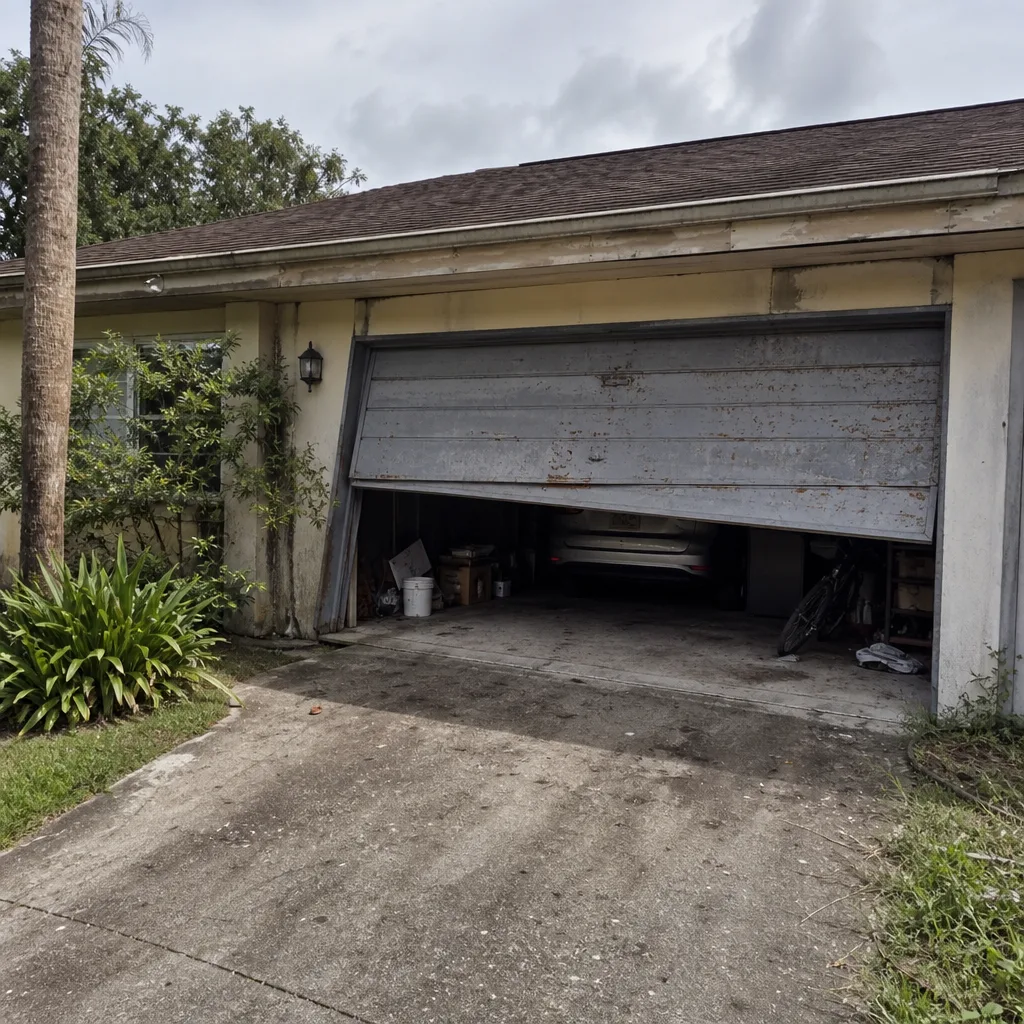 Before
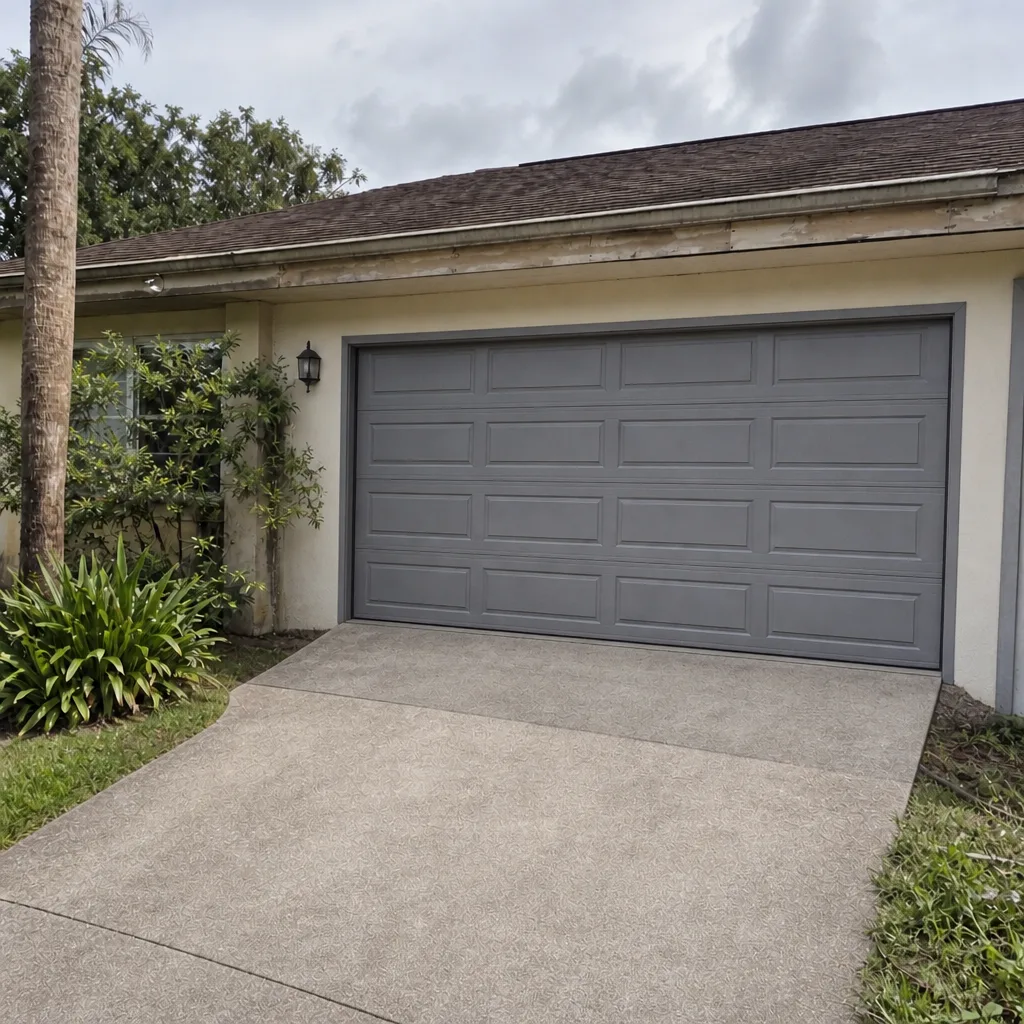 After
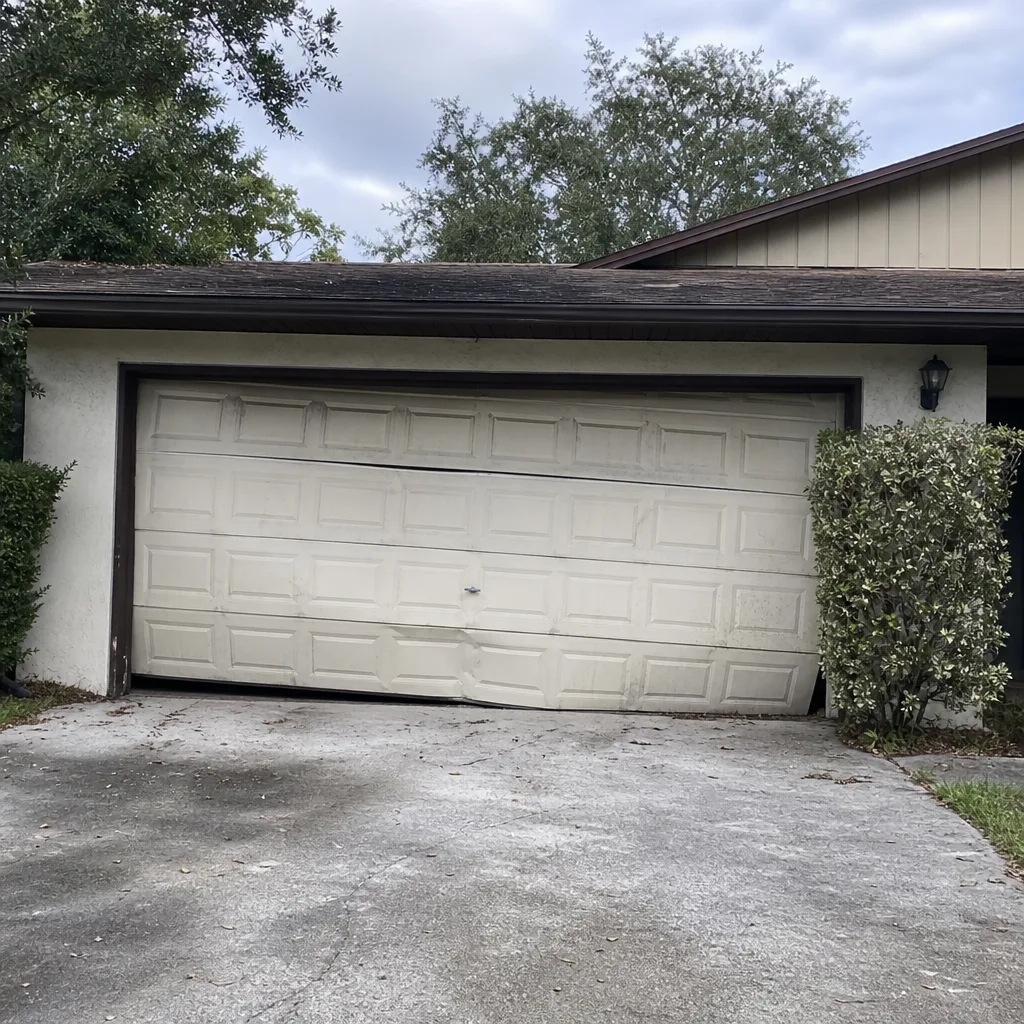 Before
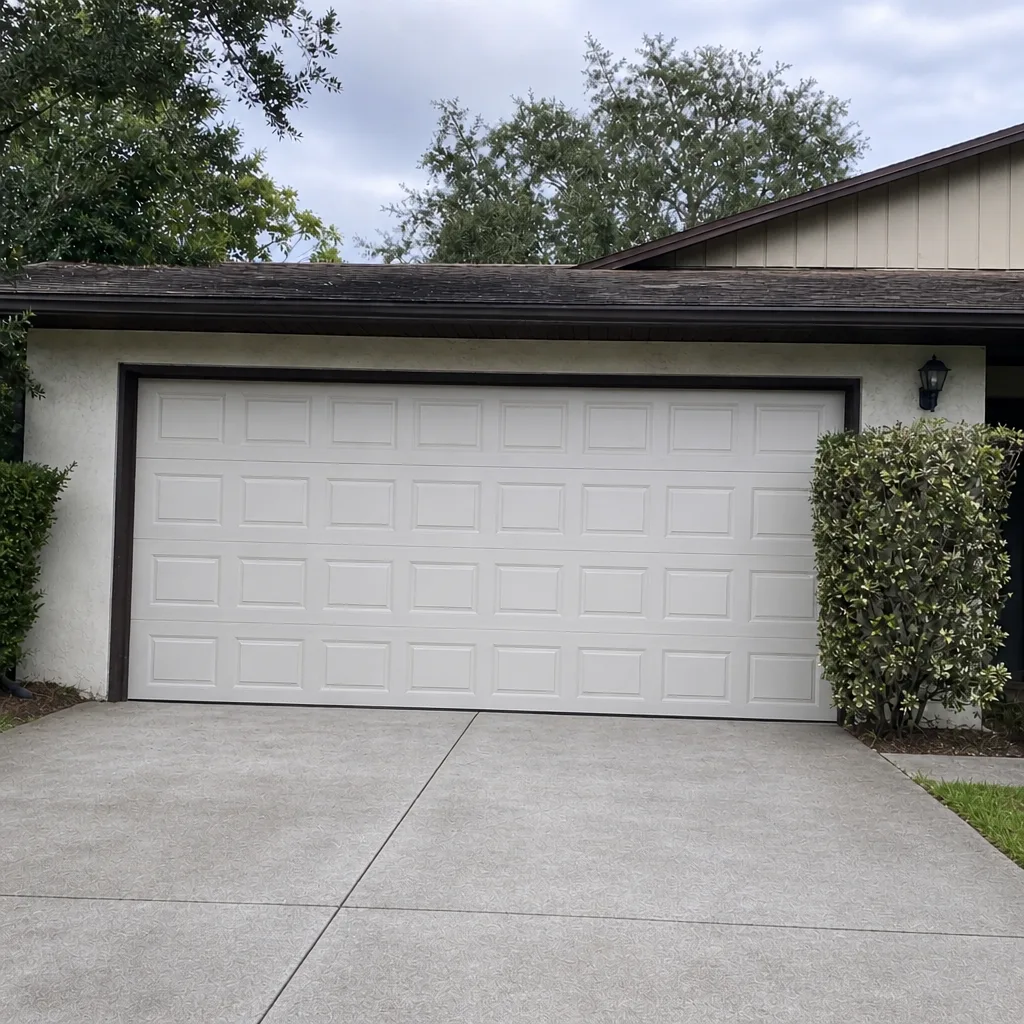 After
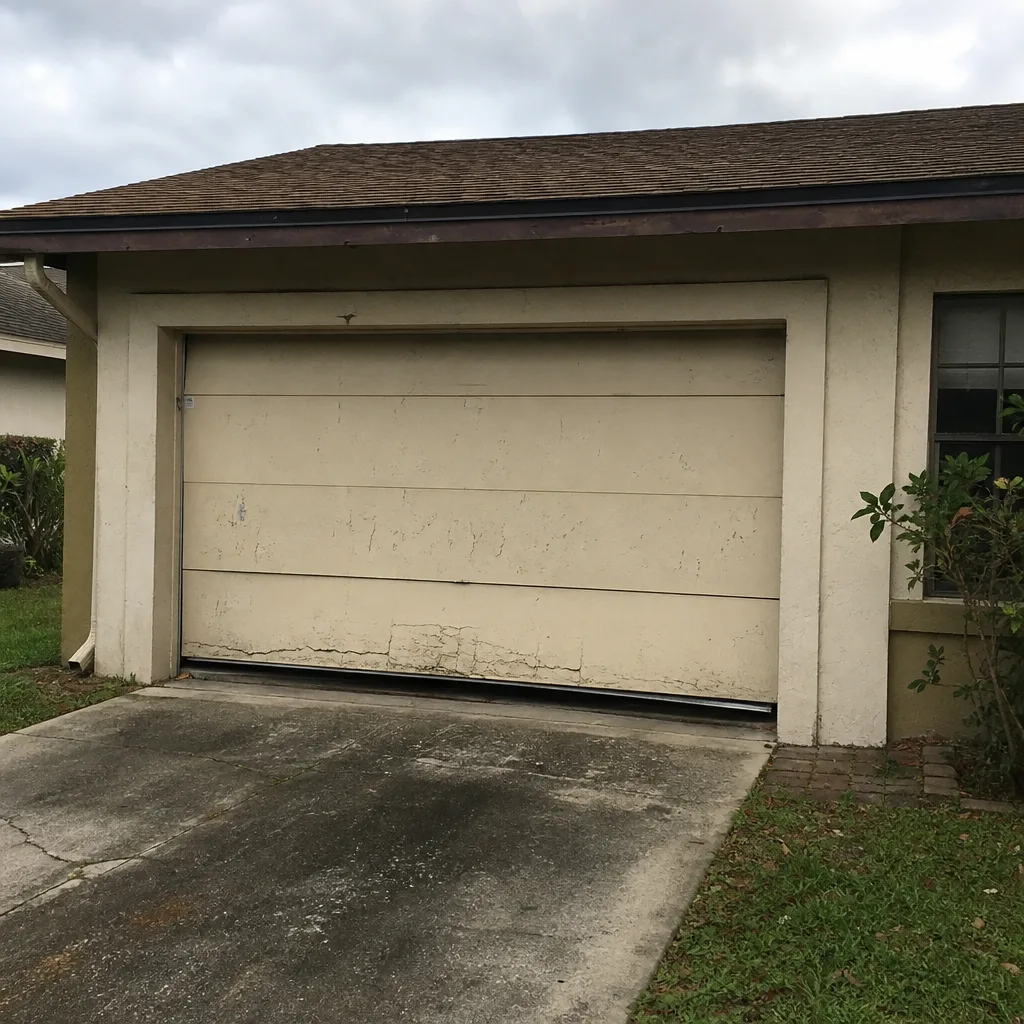 Before
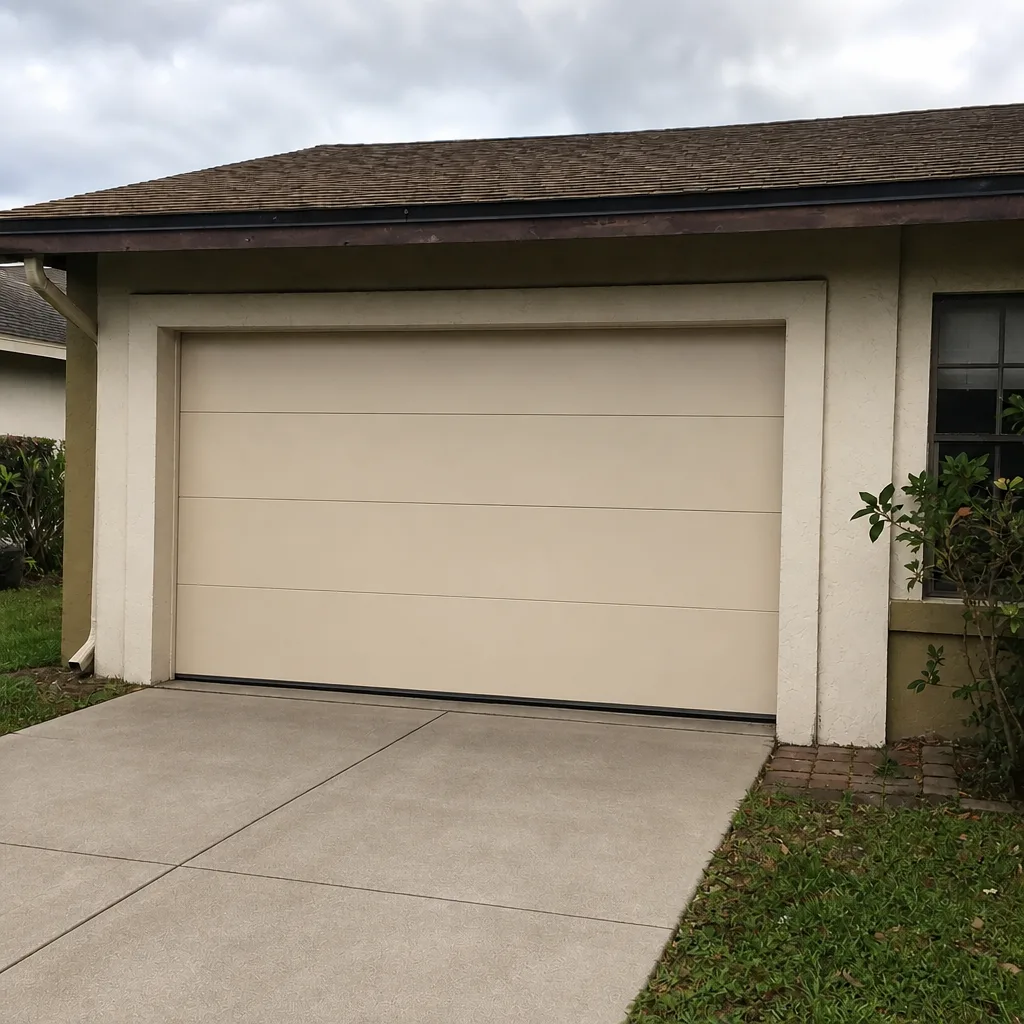 After
When to Call a Professional
Call us when the job involves a spring, a cable, a bent track, an opener that’s failing, a door that won’t balance, or a repair that touches the rated hardware on your door. Call us when you’re not sure which category your job is in – that question alone is worth a free estimate. We answer 24/7, and we run fast dispatch from 7am to 7pm, Sunday through Friday, for emergency garage door service when a door is stuck open or won’t close. Our technicians have up to 14 years of experience with the system that’s on your garage. A single call covers repair, spring replacement, opener work or a scheduled installation. Davie Garage Door Repair Pros offers free estimates in Davie – call (855) 658-4182.
Frequently Asked Questions
A homeowner is generally permitted to work on their own garage door in Florida, but the installation or repair of a rated component on a door covered by a Florida Product Approval can require a licensed contractor to keep the door compliant. The safety risk is the bigger issue: torsion springs store enormous energy, and a DIY spring replacement is the single most dangerous task in the trade. Call (855) 658-4182 for a free estimate – spring replacement done safely, the first time.
Spring pricing depends on the door’s size, weight and spring type, so the exact figure comes from a written estimate for your specific door – and our estimate is free. The written quote sets the final price, and that price is agreed before any work starts. Don’t compare “cheap” spring prices online against a generic quote; compare against a real written estimate. Call (855) 658-4182 for an exact quote.
It can, if the repair replaces a rated component with a non-rated one or alters the door’s structural performance. The Florida Product Approval rating belongs to the assembly, not just the door panel, so a repair that doesn’t match the rated hardware can leave the door working but no longer compliant. Ask the Town of Davie’s building department which repairs need a permit and a licensed contractor, and keep a written record of everything you do.
Yes. Remote and keypad programming on LiftMaster, Chamberlain, Genie and Craftsman openers is a genuine DIY task – press the learn button, pair the remote, test it. The one step to stop at is running new wall-control wire behind drywall; that’s electrician work. If pairing fails repeatedly, call (855) 658-4182 – we handle garage door opener repair across smart, legacy and hybrid systems.
If the door won’t lift with the opener but the opener’s light and motor still respond, it’s usually a spring or balance problem. If the opener hums, clicks or trips the breaker while the door is free to lift by hand, it’s the opener. Don’t guess – call (855) 658-4182 and we’ll diagnose it, and the written estimate sets the price before any work begins.
Yes – the local professionals we connect homeowners with are licensed and insured as Florida requires for the work they perform. That matters most on rated doors, where the documentation of the repair is part of your compliance record. Call (855) 658-4182 for a free estimate. We answer 24/7. Fast dispatch from 7am to 7pm, Sunday through Friday.
The Bottom Line
Sort your garage door job into one of three categories before you touch a tool. Safe DIY: lubrication, seals, tightening, remote programming. Dangerous-but-legal: springs, cables, opener adjustments under load. Contractor territory: any repair that affects a rated door, its structural attachment or its product approval documentation. Do the first tier yourself with confidence. Hand the other two to a specialist. The written estimate tells you the price before any work starts, the parts are matched to the door, and the documentation is there when you need it. And if your door is a brand we know well – Amarr, Wayne Dalton, Raynor and more – we’re already familiar with its tolerances before we arrive. One call covers it. Call (855) 658-4182 for a free estimate.
Written by the team at Davie Garage Door Repair Pros.