
Last updated November 21, 2026
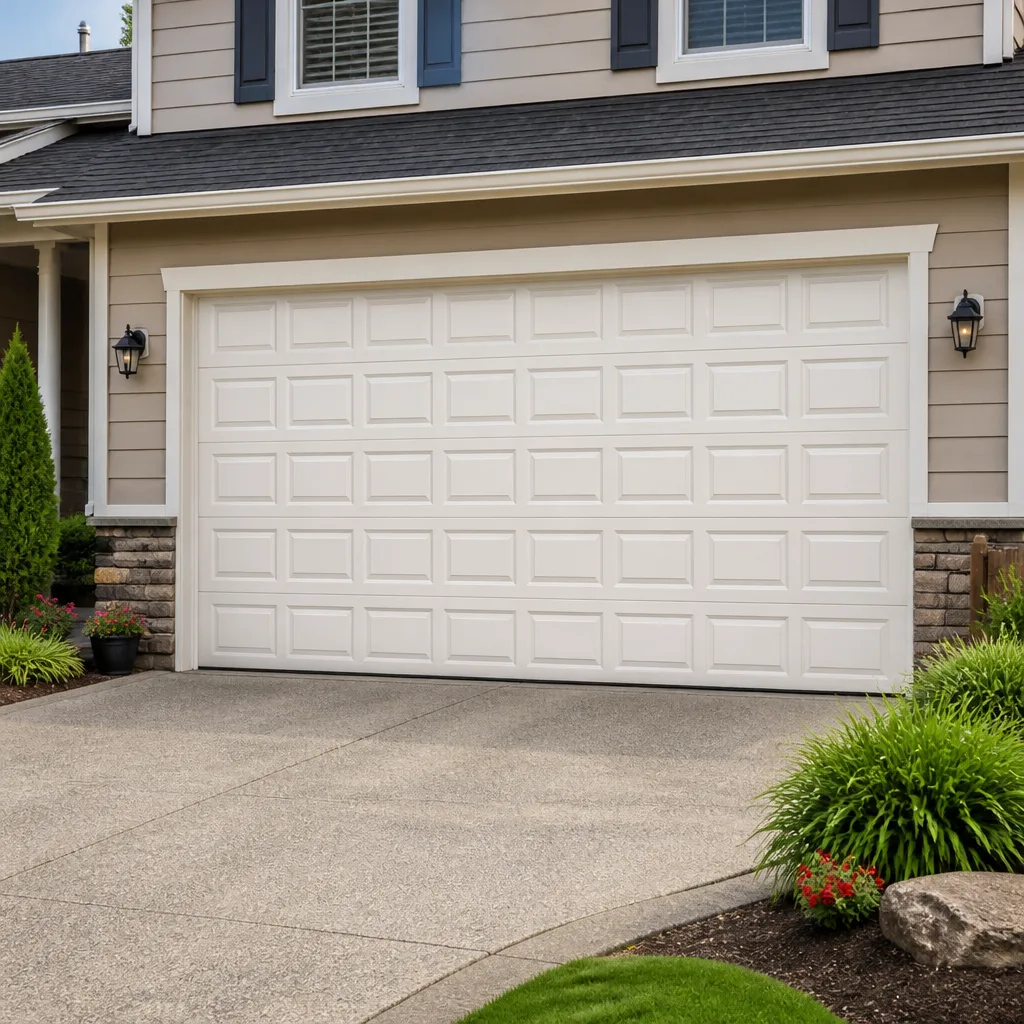 Raised-panel steel
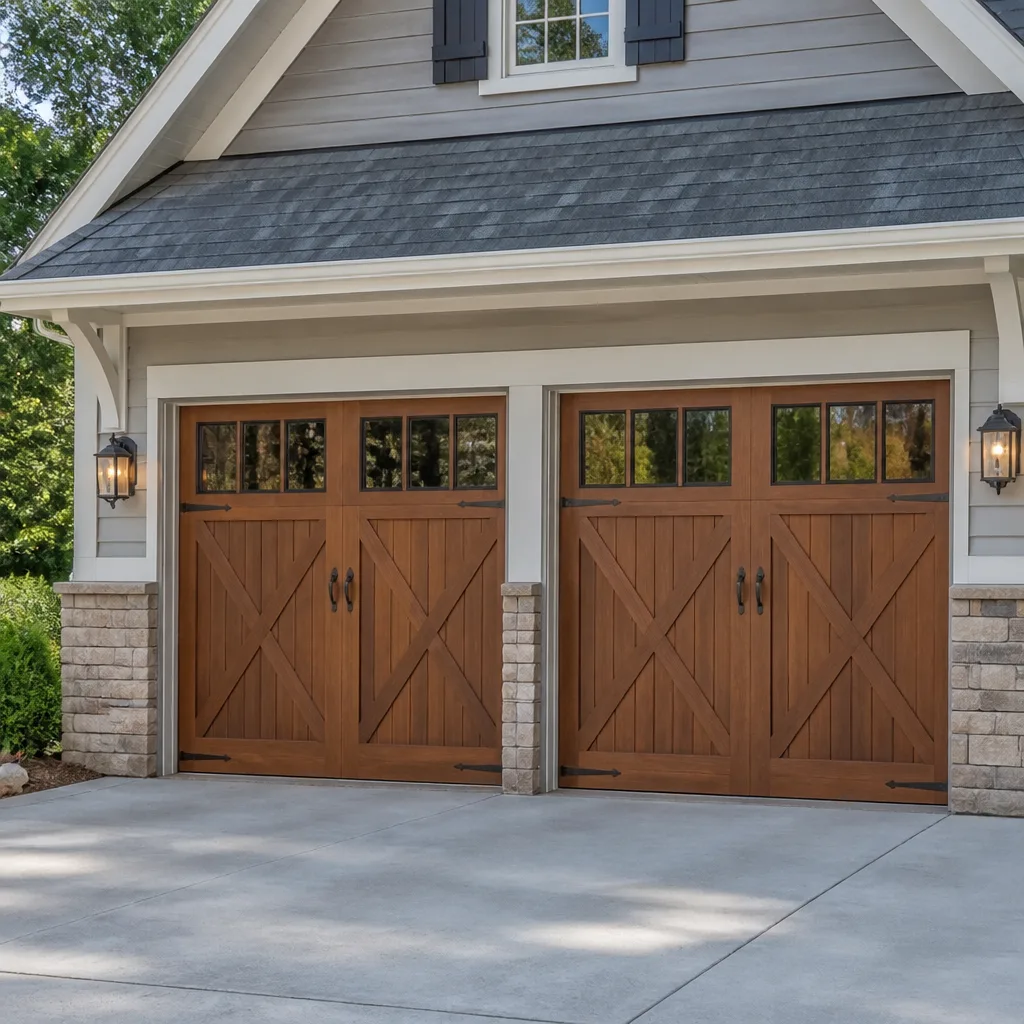 Carriage house
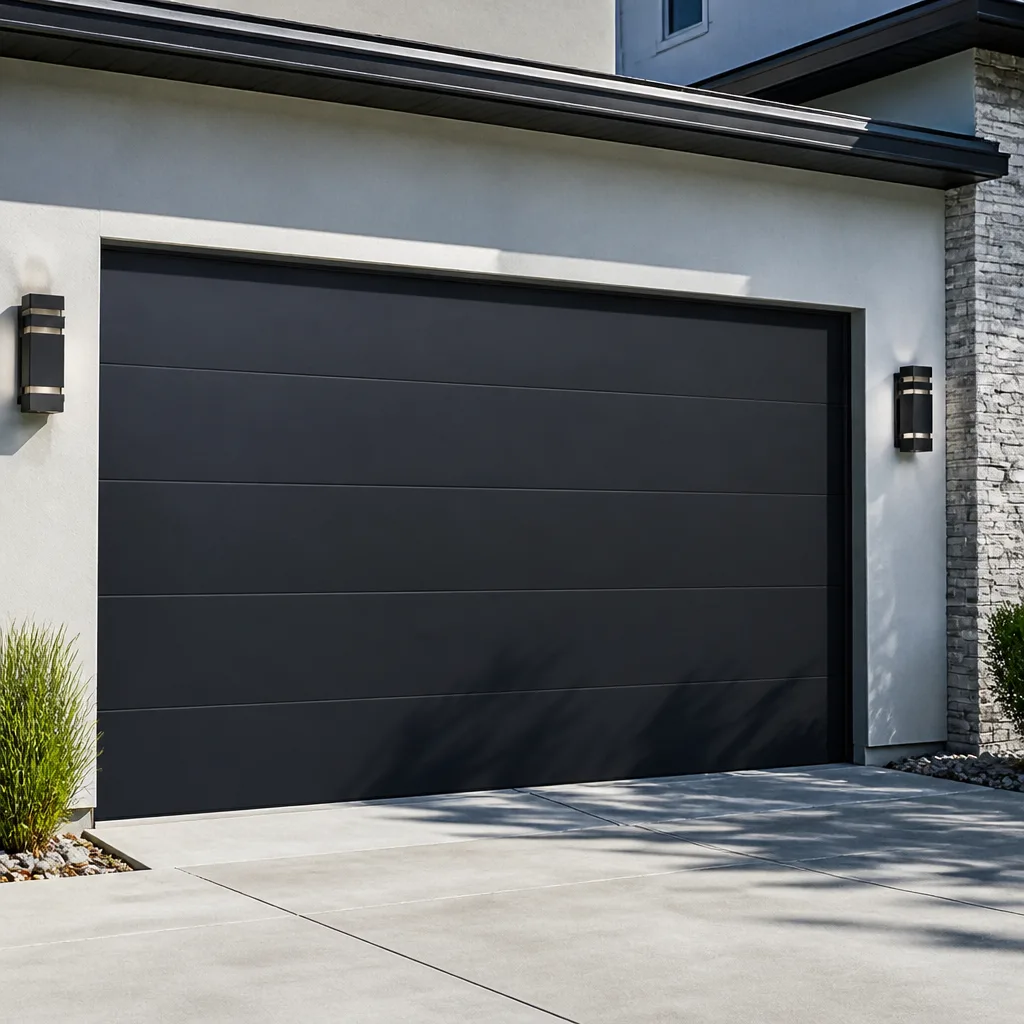 Modern flush
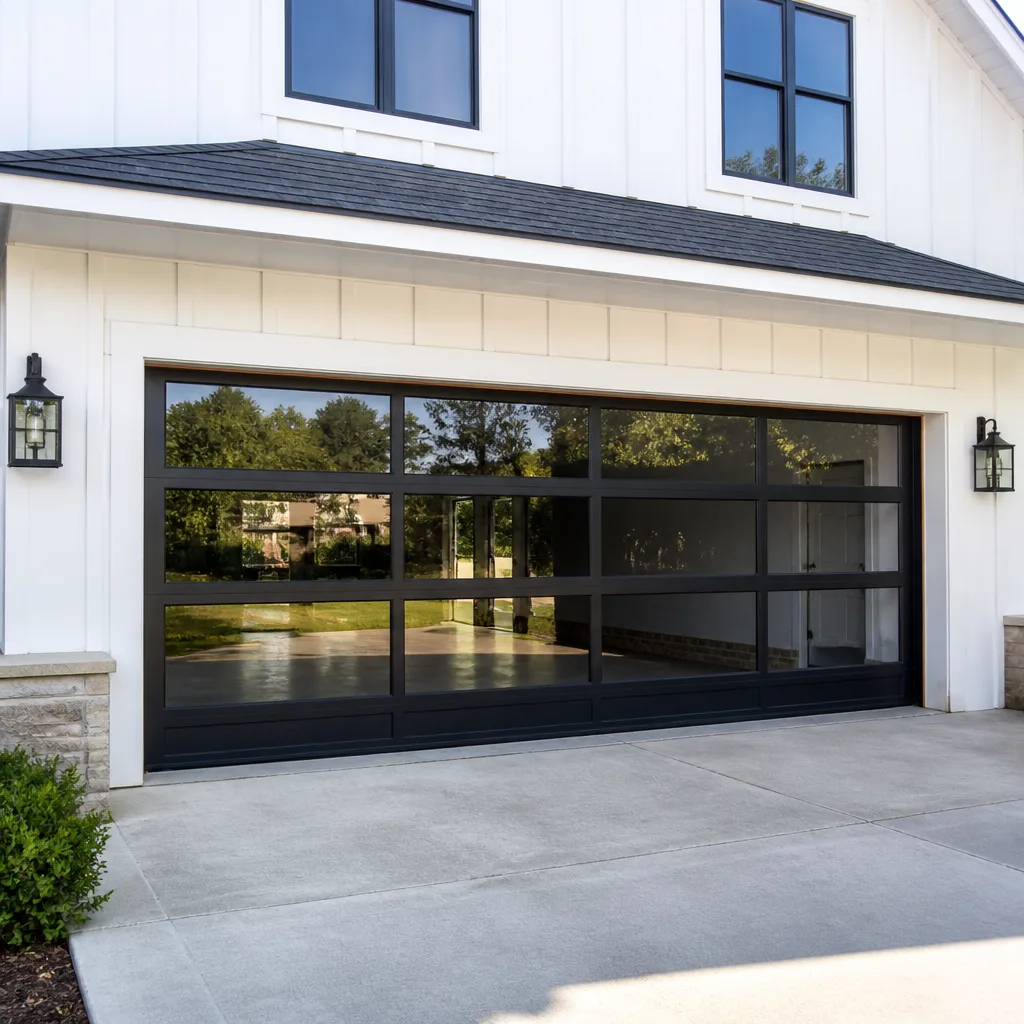 Full-view glass
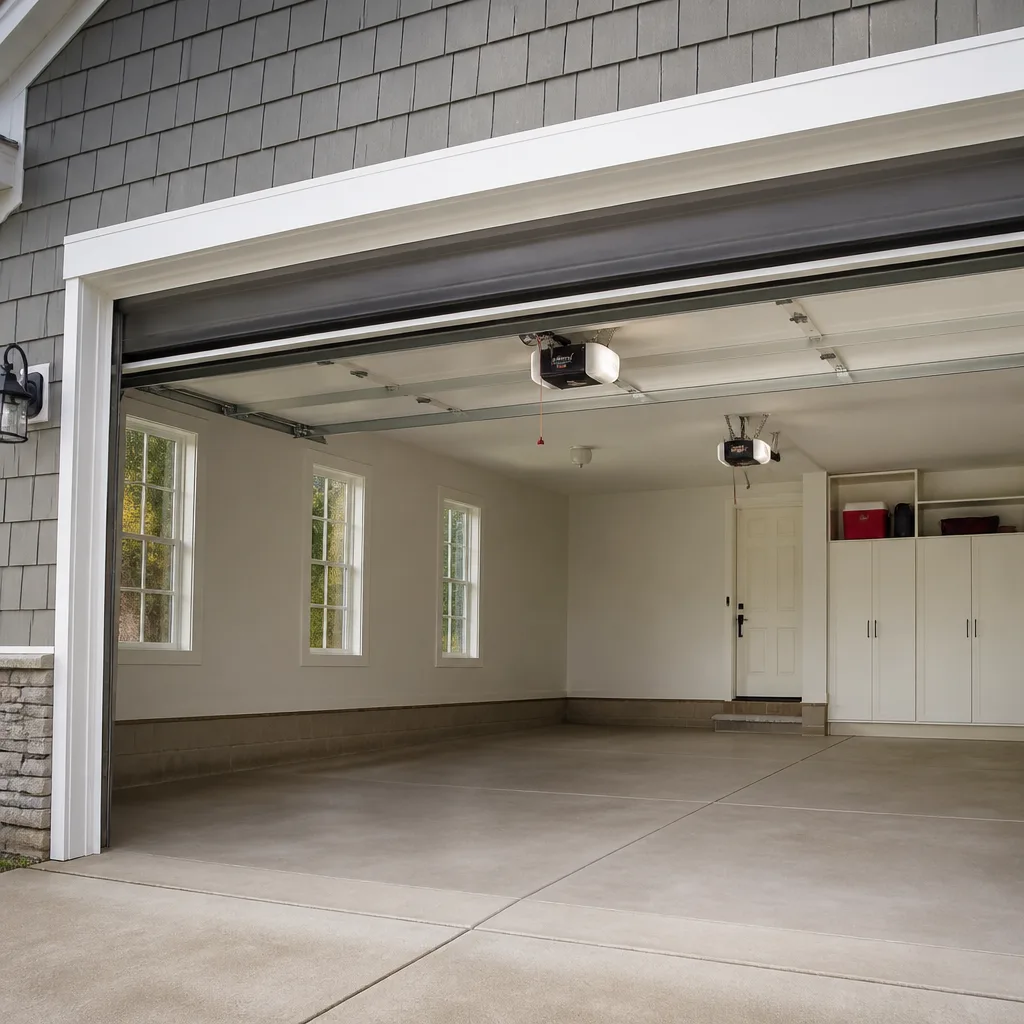 LiftMaster openers
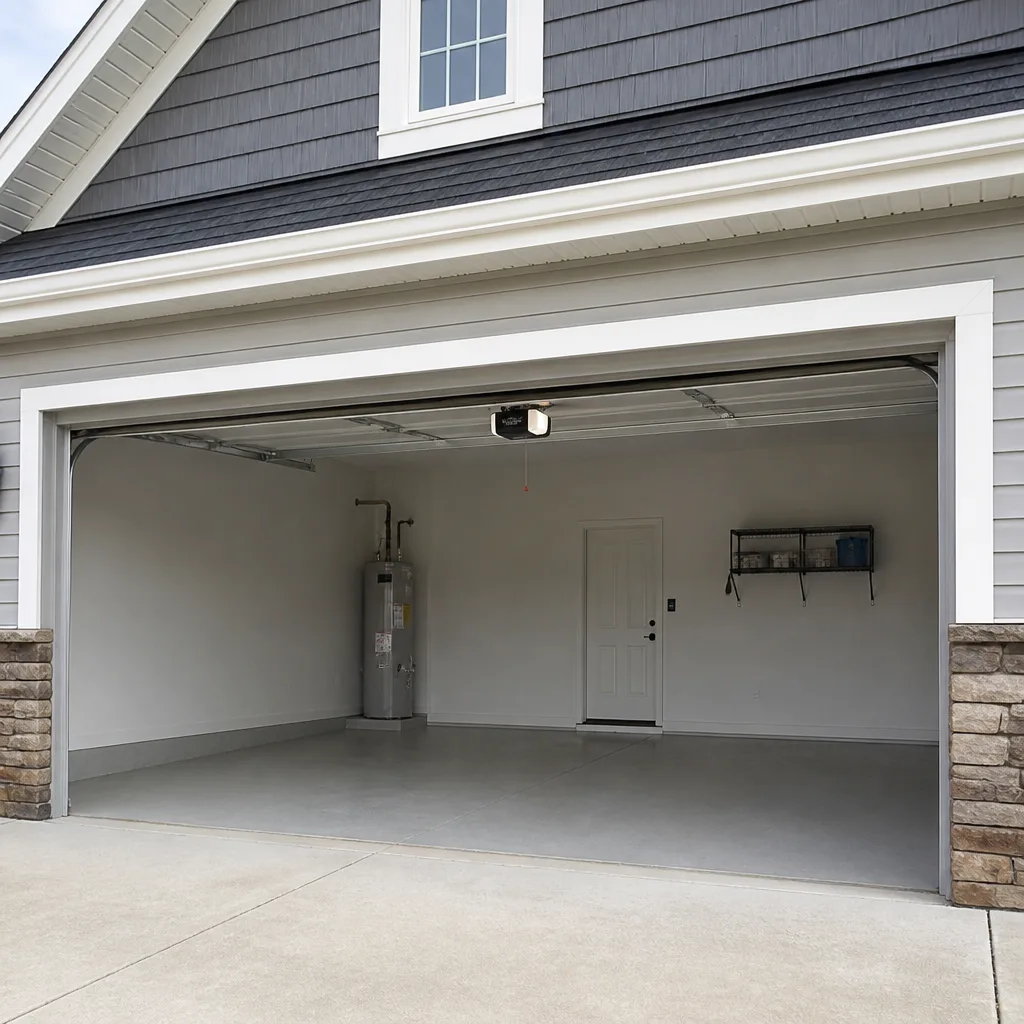 Chamberlain openers
Full 25-point door and opener safety check with every visit - springs, cables, rollers, tracks, and your LiftMaster or Chamberlain opener included
You get a price before we start. It does not change when the pro arrives.
Get your free estimateSeasonal Garage Door Care for Davie: Year-Round Homeowner’s Guide
The worst time to discover your garage door’s bottom seal has separated from the frame is during tropical-storm-force rain, and that’s exactly when most Davie homeowners find out, because dry-season inspection never happened. Davie doesn’t have four seasons in any traditional sense. What it has is two mechanically distinct garage door environments: hurricane season, June through November, which stresses structural hardware, and dry season, December through May, which is the window for lubrication, alignment, and spring work before the next storm cycle. This guide organizes garage door care around that real calendar instead of a four-season template that doesn’t apply here. You’ll learn what to check, when, and which jobs belong in a professional’s hands.
Quick Answer
Garage door care in Davie runs on a two-season calendar: dry season (December through May) is for lubrication, balance checks, and scheduling spring replacement before the stress of storm season, while hurricane season (June through November) is for hardware audits, wind-load verification, and post-storm inspections. The single most important habit is inspecting and testing your door in the dry months so it’s ready when wind and rain arrive. Anything involving springs, cables, or the opener’s force settings belongs with a trained technician.
Styles & brands we work with
- Raised-panel steel
- Carriage house
- Modern flush
- Full-view glass
- LiftMaster openers
- Chamberlain openers
Table of Contents
- Why Davie Runs on Two Seasons, Not Four
- The Dry-Season Calendar: December Through May
- The Hurricane-Season Calendar: June Through November
- The Pre-Storm Hardware Audit
- Why Late April or Early May Is Spring Season
- Post-Storm Inspection Protocol
- Testing and Documenting Wind-Load Performance
- Common Mistakes to Avoid
Why Davie Runs on Two Seasons, Not Four
A garage door is a mechanical system, and mechanical systems respond to what the environment does to them. In most of the country, the enemy is cold. Here, in Davie, the enemy is a wet season that puts wind-driven water against every seal and weatherstrip, followed by a long warm dry stretch that dries everything out and lets you work on the door without fighting the weather.
That split matters because the two seasons ask for opposite things:
- Hurricane season (June through November): the door becomes part of the building envelope. Wind load pushes on the panels, fasteners, hinges, and bottom seal. Water finds every gap. The door gets used heavily because it’s the main way in and out while rain pours.
- Dry season (December through May): this is when you can lubricate, tighten, align, and test without the door fighting back. It’s also when the door gets worked hardest for climate refuge, as the garage becomes a cooler-shaded workspace and the door cycles up and down all afternoon.
Most garage door care advice you’ll read is written for places with snow and ice. None of that applies here. Salt air doesn’t apply either, since Davie sits inland in Broward County rather than on the coast. What does apply is the steady, repeated cycle of storm stress followed by a long, dry repair window. Get that calendar right and the door lasts. Ignore it and you’ll discover problems at the worst possible moment, usually mid-storm.
The practical takeaway: treat dry season as your maintenance season and hurricane season as your monitoring season. The two overlap for a short stretch in late spring, and that overlap is the most valuable few weeks on the calendar.
The Dry-Season Calendar: December Through May
Dry season is the quiet half of the year for weather, and the busy half for maintenance. The weather cooperates, the door is on its routine cycle, and any work you do now has months to settle in before the first storm. Here’s how we’d lay out the work if this were our own garage.
- December: Inspect the bottom seal and side weatherstrip for cracks, gaps, or detachment. Check the seals around the frame corners where rain-driven water tends to work its way in. Replace anything that’s lost its flexibility.
- January: Run a balance test. Disconnect the opener (pull the manual release) and lift the door halfway by hand. It should stay put. If it drops or rises, the springs are out of balance. This is the test most homeowners skip.
- February: Lubricate the moving parts: hinges, rollers, torsion springs (the coil only, not the winding points), and tracks with a proper garage door lubricant, not household oil. Inspect rollers for flat spots or wobble.
- March: Check the opener. Test the safety reverse by placing an object in the door’s path. Listen for grinding, straining, or intermittent operation. LiftMaster and Chamberlain models with smart-home integration will often log errors in the app, so take a look.
- April: Book spring work. If springs are anywhere near the end of their cycle life, this is the month to schedule replacement, because it gets the new springs installed before the door starts cycling hard through a South Florida summer. More on that below.
- May: Full pre-storm check. This is the last dry window before hurricane season. See the hardware audit section below.
Adding to this schedule fits neatly into the kind of garage door repair work that keeps a Davie homeowner from ever facing a surprise. If you aren’t sure where to start, a free estimate in May covers the whole list.
The one thing to resist is doing everything yourself. The lubrication and seal checks are homeowner-level jobs. The balance test, spring inspection, and opener adjustment are not. Springs and cables are under extreme tension and can cause serious injury if handled incorrectly, so if anything looks off, get a trained professional.
The Hurricane-Season Calendar: June Through November
Once June arrives, the job changes from maintenance to monitoring. During hurricane season, the door isn’t just a door. It’s a storm barrier. The goal now is to make sure everything you fixed in the spring holds through wind and rain, and to catch any deterioration before a named storm is on the radar.
- June: Confirm the hardware audit from May is complete. Re-check every fastener. Make sure the bottom seal is fully seated.
- July: Listen to the door. New rattles, squeaks, or a heavier feel suggest something has loosened. Address it now, while the weather is cooperative.
- August: The heart of the season. Inspect the door after any heavy rain. Look for water intrusion at the bottom corners and along the sides. Check the tracks for debris or shifting.
- September: Peak activity. Keep the door closed during high winds, which is the safest position for most wind-rated doors. If a storm system moves through, follow the post-storm protocol below even if the door seems fine.
- October: Late-season check. If the door has been worked hard, springs and opener components may be showing wear. Note any change in operation.
- November: Transition back to maintenance mode. Do a thorough inspection and start planning the dry-season list.
We’ve seen plenty of Davie doors that seemed to survive a storm and then failed weeks later because a fastener had backed out or a bracket had bent. Post-storm inspection matters as much as pre-storm prep, and the two together are what keep a door reliable.
The other thing to keep in mind is usage. During hurricane season, a lot of families use the garage as the primary entry and exit point because it keeps everyone under cover. That extra cycling adds hours to the springs and the opener. It’s one reason the door’s cycle count climbs during the wet months.
The Pre-Storm Hardware Audit
A pre-storm hardware audit is a systematic check of the fasteners, brackets, and anchoring points that hold the door together under wind load, done in May before hurricane season. It’s the most valuable half-hour you’ll spend on your door all year. Here’s what to look at.
The critical components to inspect:
- Hinges: Check for loose screws, bent leaves, or cracks in the metal. Hinges take the most direct abuse in wind.
- Rollers: Look for flat spots, cracks, or wobble. A door under wind load with worn rollers can jump the track.
- Tracks: Inspect the mounting brackets where the tracks attach to the wall and ceiling. Loose anchors or bent brackets are pre-failure signs.
- Bottom seal: The seal is the storm door’s first line of defense against wind-driven water. Any gap between seal and floor lets water in.
- Torsion spring end plates and center bearing plate: These are under extreme load. A loose bolt here is a real structural problem. Leave tightening to a professional.
- Panels: Look for dents, separation, or waviness that suggests a loose connection between sections.
How to tell pre-failure wear from normal wear: look for cracks forming at the base of brackets, stretched or rust-streaked bolts, and anything that moves when you nudge it. Normal wear is a little play. Pre-failure is a component that shifts with a light push.
When you find something that worries you, don’t climb a ladder to fix it yourself. A trained technician can evaluate the whole door’s structural readiness and, if needed, re-anchor or replace the part. If the door is one of the older models, a Wayne Dalton or a Raynor, that’s worth knowing because the replacement hardware is specific to the brand. Our technicians work on those systems directly and know their failure patterns.
This is also a good moment to look at the opener’s force settings. If the opener strain during a heavy door day is causing it to work harder than it should, the door could fail under load. A quick check by a pro confirms the opener can lift what it’s rated to lift.
Why Late April or Early May Is Spring Season
Springs are rated in cycles, meaning one full open-and-close counts as one cycle. In Davie, cycle counts peak in winter and early spring, when the garage door becomes a climate refuge. Families leave it up while they’re working in the garage, they open and close it multiple times a day, and the door gets worked harder than it does when the storm season keeps everyone indoors. By late April, the springs have already absorbed the heaviest usage of the year.
Why that makes late April or early May the right time to replace:
- The door is tired but not broken. You still have time to schedule without urgency, which means a calmer repair.
- The weather works with you. Dry season means no water intrusion during the work.
- New springs go into the storm season fresh. The door needs to cycle reliably through the wet months. Replacing before the season starts means the spring isn’t moving toward the end of its life when the door is doing storm duty.
- You avoid the emergency. The most expensive, most stressful spring failure is the one that happens during a storm window when you’re already dealing with a lot.
Spring repair is one of the most technically specialized repairs in the trade. Torsion springs store a huge amount of energy, and extension springs under tension can cause serious injury if handled without the right tools and technique. If you’re unsure whether your springs are due, have a professional inspect them. The balance test described in the dry-season section tells you whether the door is currently in balance, but it doesn’t measure the spring’s remaining cycles. Only a trained technician can do that reliably.
We offer spring replacement as a dedicated service because we’ve seen what happens when it gets deferred. If the door suddenly feels heavy, or you hear a loud bang from the garage, stop using the opener and call. That bang is usually a broken spring, and the door won’t lift safely until it’s replaced.
Post-Storm Inspection Protocol
After any named storm passes within 50 miles of Davie, inspect your garage door even if it worked fine. Wind load can leave damage that doesn’t show up immediately in the door’s operation but causes a failure weeks later. The inspection takes fifteen minutes and can save you a much bigger repair.
Here’s the protocol we recommend:
- Visually inspect the entire door from inside and outside for bent panels, dents, or misalignment between sections.
- Check the track alignment. Look down the track from the end. It should be straight. Any bend or bow means the door may bind when it moves.
- Check hinges and fasteners. Look for loose screws, bent brackets, or rust streaks that indicate a stressed connection.
- Test the door manually. With the opener disconnected, lift the door a foot or so by hand. It should feel balanced and move smoothly. If it feels heavier, or if it drops when released, the springs or balance need attention.
- Test the opener. Reconnect and watch a full open and close cycle. Note any sounds that weren’t there before the storm.
- Inspect weatherstrip and seals for water damage or detachment.
- Look for debris in the tracks. Storm-blown debris is a common cause of roller damage.
If anything seems off, don’t keep operating the door. A door that’s out of alignment can drop off the track under the next load, and that’s a serious safety hazard. Get a professional evaluation before putting the door back into daily use. This is where garage door opener repair often comes up, because a door that survived the storm but now strains the opener is a sign that something in the mechanics is binding.
We see this pattern in Davie repeatedly: a door passes the post-storm visual check, but a hinge has cracked or a bracket has bent. Those fail a few weeks later. A quick professional inspection catches both. And if the door is one you can’t easily assess yourself, like a LiftMaster opener system with a lot of electronics, an inspection is even more worthwhile.
Testing and Documenting Wind-Load Performance
A garage door in Florida is rated for wind-load performance, and the rating should be documented when it’s installed. Most homeowners never test that the door actually meets its rated performance after installation, and that’s a gap worth closing before storm season. Wind-load performance means the door is designed to handle specific pressure without failing structurally. Here’s how to think about confirming yours.
The steps:
- Find the door’s wind-load rating documentation. It usually arrives with the installation paperwork and may also be on a label on the door itself. If you can’t find it, call the original installer or the manufacturer with your door model.
- Check that the door’s reinforcement matches the rating. Wind-rated doors often have extra struts, heavier hinges, and specific track anchoring. If the door was installed with a lower rating than the current code expects, the hardware may need an upgrade.
- Ask a professional to verify the installation matches the rating. A technician can check that the reinforcement is correctly installed and the anchoring is sound.
- Keep a record. Photograph the label and the hardware. Store the documentation where you can find it, because it’s useful if you ever sell the home or file a claim.
If you’re replacing a door, this is the moment to get it right. A new door’s rating should be confirmed at installation, and the installer should provide documentation. Our garage door installation work includes confirming that the door’s rated performance matches what’s been documented, because a door installed without that confirmation is a door whose storm performance is unknown.
Building codes and local requirements change, so if you’re unsure what’s expected, ask your city’s building department what they require for garage doors in your situation. We can explain what a wind-rated door looks like and what it takes to verify one, but the code itself is the city’s call.
If your door is old and you don’t have documentation, an inspection is the practical way to find out where you stand. It’s better to know in April than to find out in August.
Common Mistakes to Avoid
- Waiting until a storm is on the radar to check the door. By then, there’s no time to order parts or do spring work. The dry season is the time; the storm season is for monitoring.
- Ignoring the bottom seal. The seal is the storm door’s first line of defense against wind-driven water. A seal that’s separated from the frame lets rain in all season.
- Lubricating the tracks with household oil. Tracks need a proper garage door lubricant, and too much oil on the tracks attracts grit that wears the rollers. A light, correct lubricant is all you need.
- Skipping the balance test. If the door doesn’t stay put when lifted halfway, the springs are out of balance. Most homeowners never test this, so it goes unnoticed until the door fails.
- Trying to adjust or replace springs yourself. Torsion and extension springs are under extreme tension. This is a job for a trained technician, full stop.
- Assuming the door is fine because it worked after the storm. Wind load can bend a bracket or crack a hinge without visible effect. Inspect every time, even if the door seems to be operating normally.
- Letting the opener do all the work. If the door feels heavy, the opener is doing more work than it should, and that shortens the opener’s life and strains the door. Fix the balance, not the opener.
See the difference
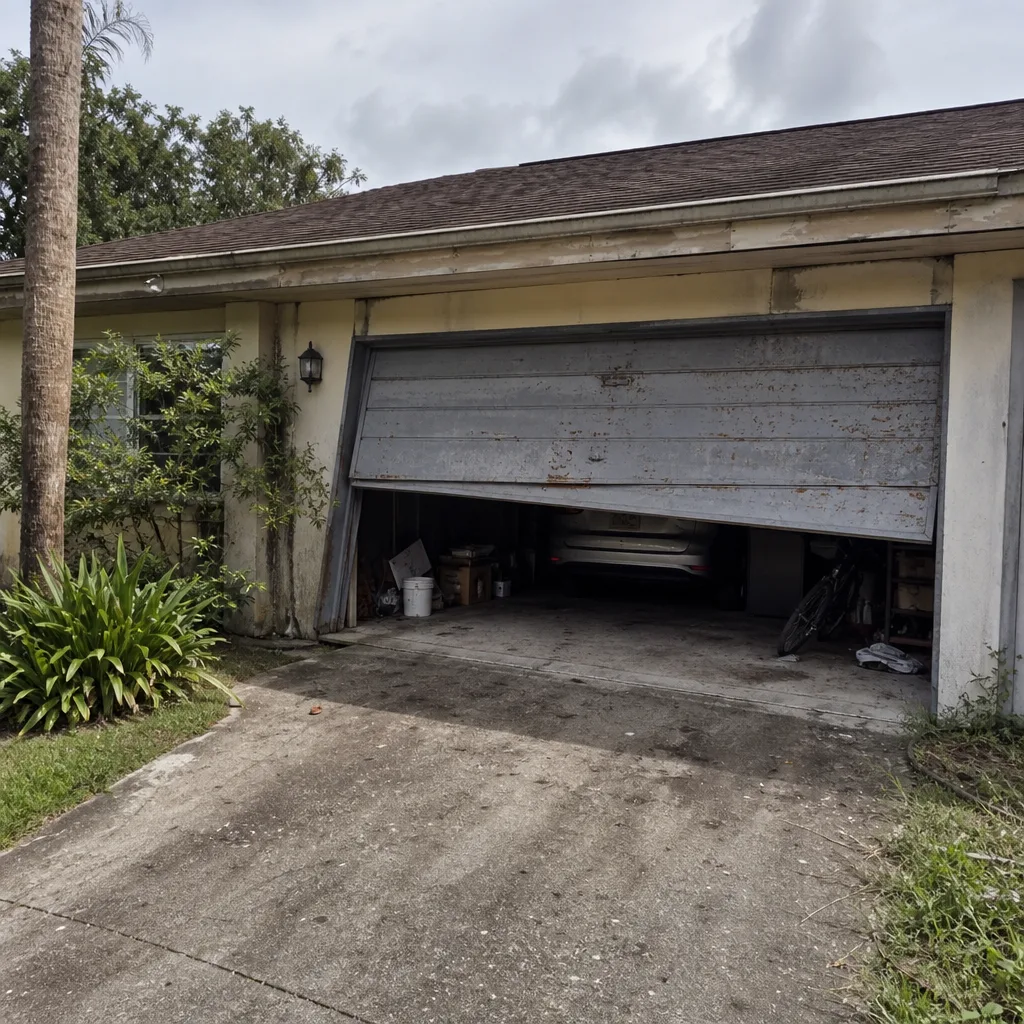 Before
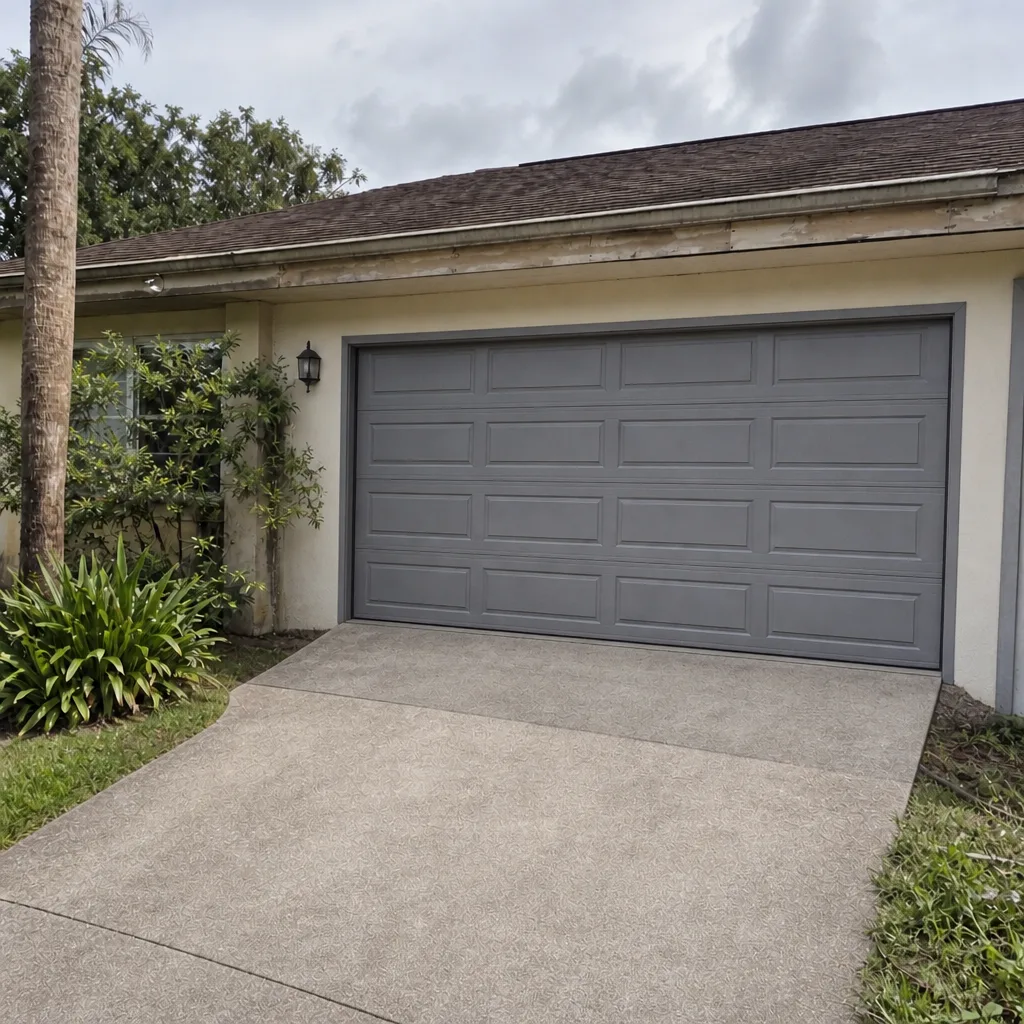 After
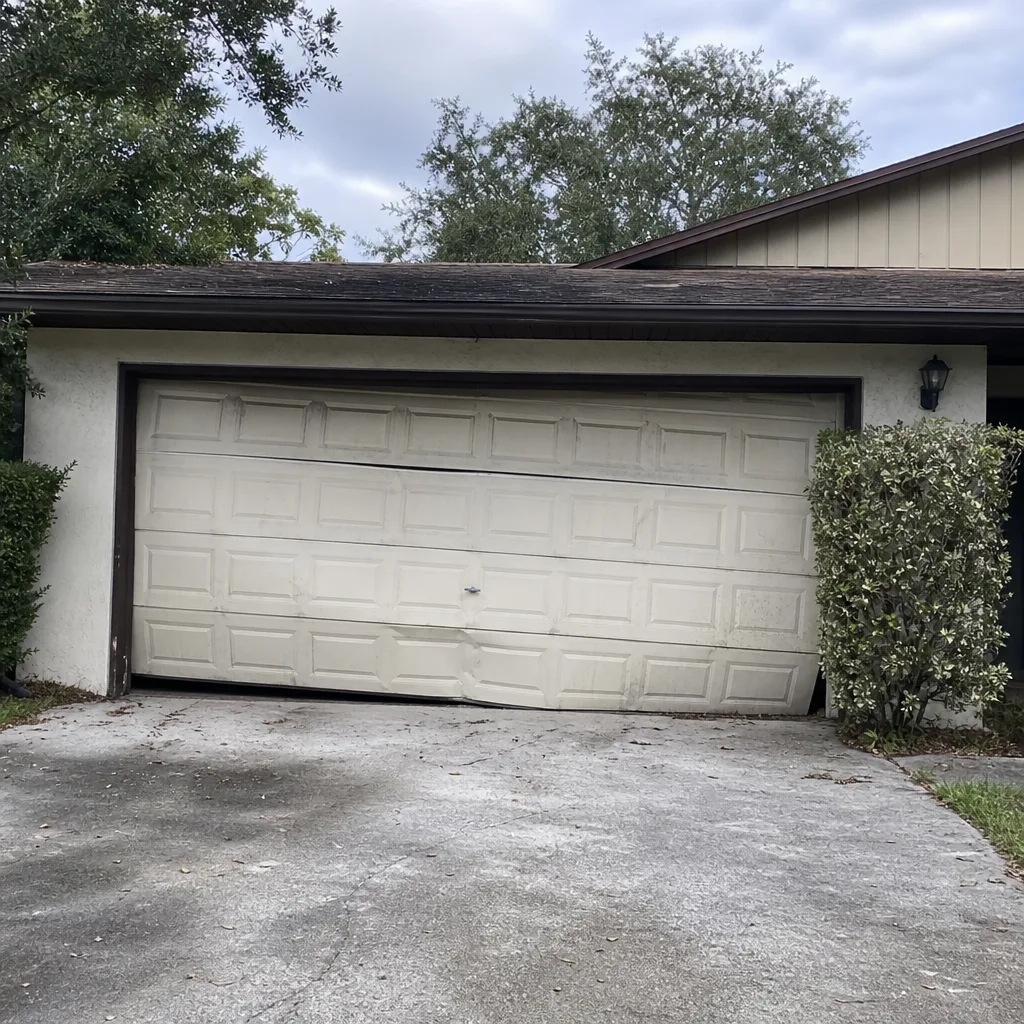 Before
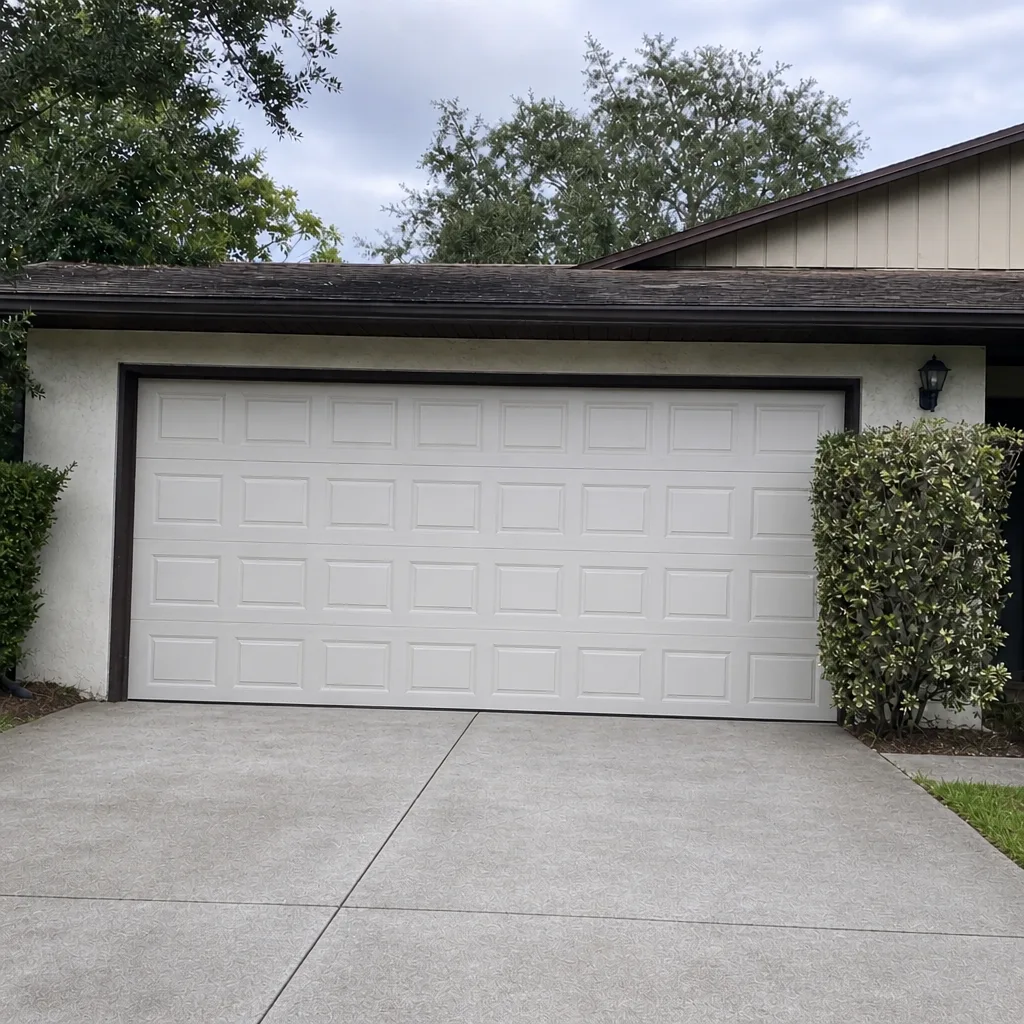 After
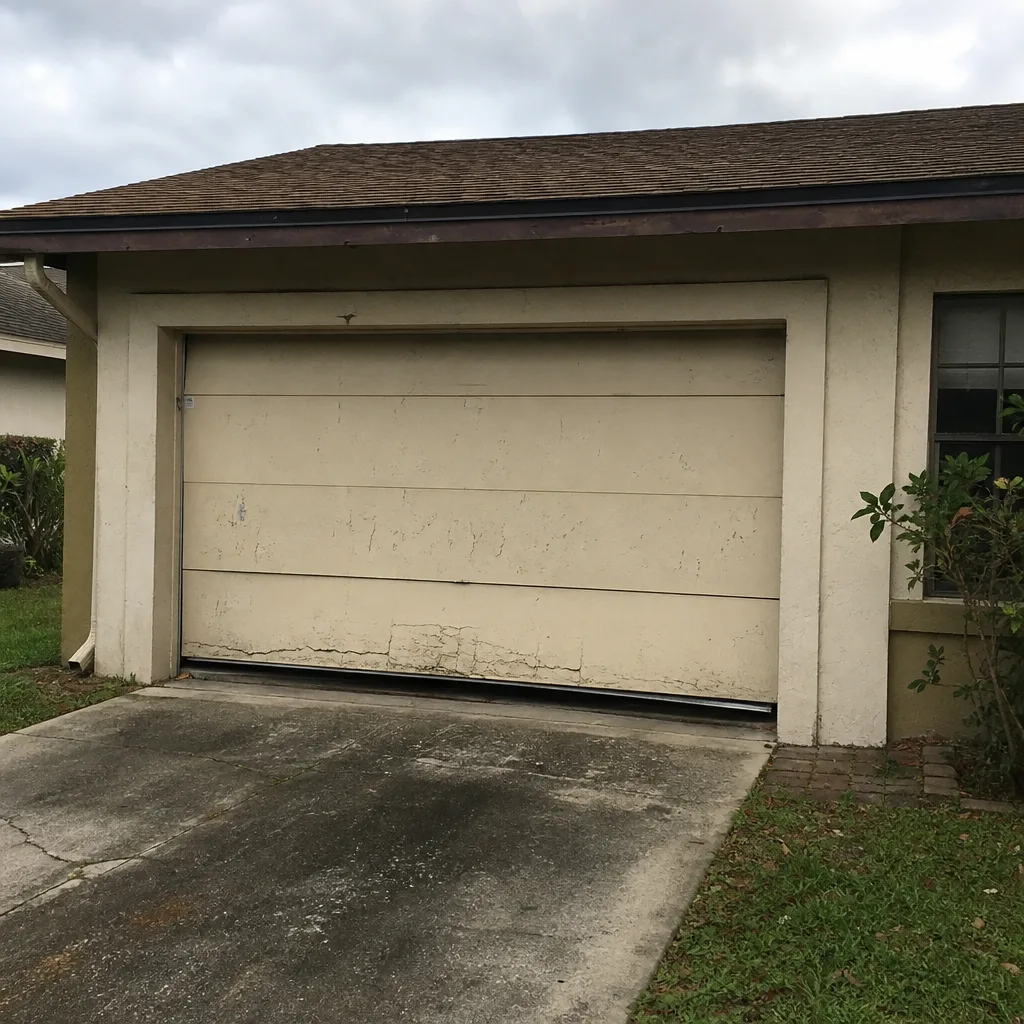 Before
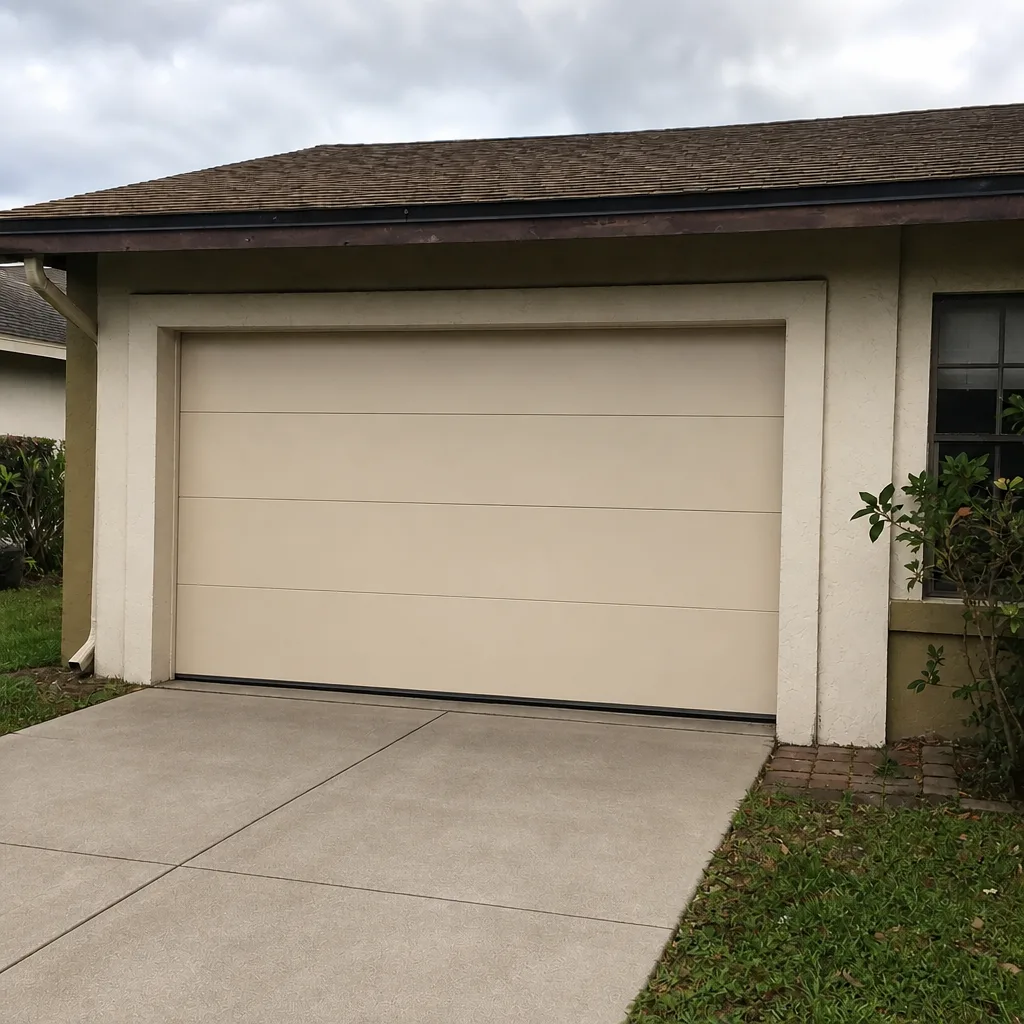 After
When to Call a Professional
Some jobs are fine for a homeowner, and some aren’t. Call a professional if you hear a loud bang from the garage (a classic broken-spring sign), if the door won’t open or close smoothly, if it’s off its track, if the opener grinds or strains, or if the balance test fails. Call us before hurricane season if you’ve never had a wind-load check, if the hardware audit turned up anything loose or bent, or if the door is old enough that you don’t know its spring history. And call after any named storm, even if the door seems fine. Davie Garage Door Repair Pros offers free estimates in Davie. Call (855) 658-4182. We answer 24/7. Fast dispatch from 7am to 7pm, Sunday through Friday.
Frequently Asked Questions
Once a year, ideally in the dry season between December and May, is the right cadence for most homes in Davie. That timing catches problems before hurricane season and gets spring work done before the door cycles hard through the summer. If the door gets heavy daily use, twice a year is reasonable.
Before. Late April or early May is the ideal window because it gets fresh springs in place before the storm season stress and before the peak cycle usage of the wet months. Replacing after means the door spends the season on springs that are already nearing the end of their life. Call (855) 658-4182 for a free estimate.
You can find the documentation and look at the door’s label, but confirming that the reinforcement matches the rating is a professional job. A technician can verify the anchoring and struts against the rating, and that’s what actually tells you whether the door will perform under load. Ask your city’s building department about the code requirements for your situation.
Inspect the door visually inside and outside, check the track alignment, test the door manually with the opener disconnected, and run a full open-and-close cycle while watching and listening for anything new. If anything feels off, stop using the door and call a professional before it goes back into daily rotation. We answer 24/7, and fast dispatch runs from 7am to 7pm.
For the hinges, rollers, and tracks, yes, with a proper garage door lubricant. Do not touch the torsion springs beyond a light coat of lubricant on the coil itself, and never try to adjust, tighten, or replace a spring. Springs and cables are under extreme tension and can cause serious injury. Leave those to a trained technician.
Not a different routine, but different failure patterns to watch. Craftsman and Raynor systems, for example, have their own parts tolerances and known wear points. Our technicians work on those systems specifically, plus LiftMaster, Chamberlain, Genie, Clopay, Amarr, and Wayne Dalton, so an inspection is tailored to the brand rather than generic. Call (855) 658-4182 for a free estimate.
The Bottom Line
Garage door care in Davie runs on two seasons, not four. Dry season, December through May, is for lubrication, seal checks, the balance test, and scheduling spring replacement in late April or early May before the door starts cycling hard through summer. Hurricane season, June through November, is for the hardware audit, wind-load verification, and post-storm inspection after any named storm within 50 miles. Do the maintenance work in the quiet months so the door holds when it matters. Anything involving springs, cables, or the opener’s force settings belongs with a trained technician. A free estimate in Davie is the easiest way to know where your door stands.
Call (855) 658-4182 for a free estimate. We answer 24/7. Fast dispatch from 7am to 7pm, Sunday through Friday. Davie Garage Door Repair Pros handles repair, spring work, opener repair, installation, and urgent response under one roof, and we’re familiar with the major brands on your door, from LiftMaster and Chamberlain to the older systems. Get your Davie garage door repair pros on the calendar before storm season and stop discovering problems at the worst possible moment.
Written by the team at Davie Garage Door Repair Pros.