
Last updated November 21, 2026
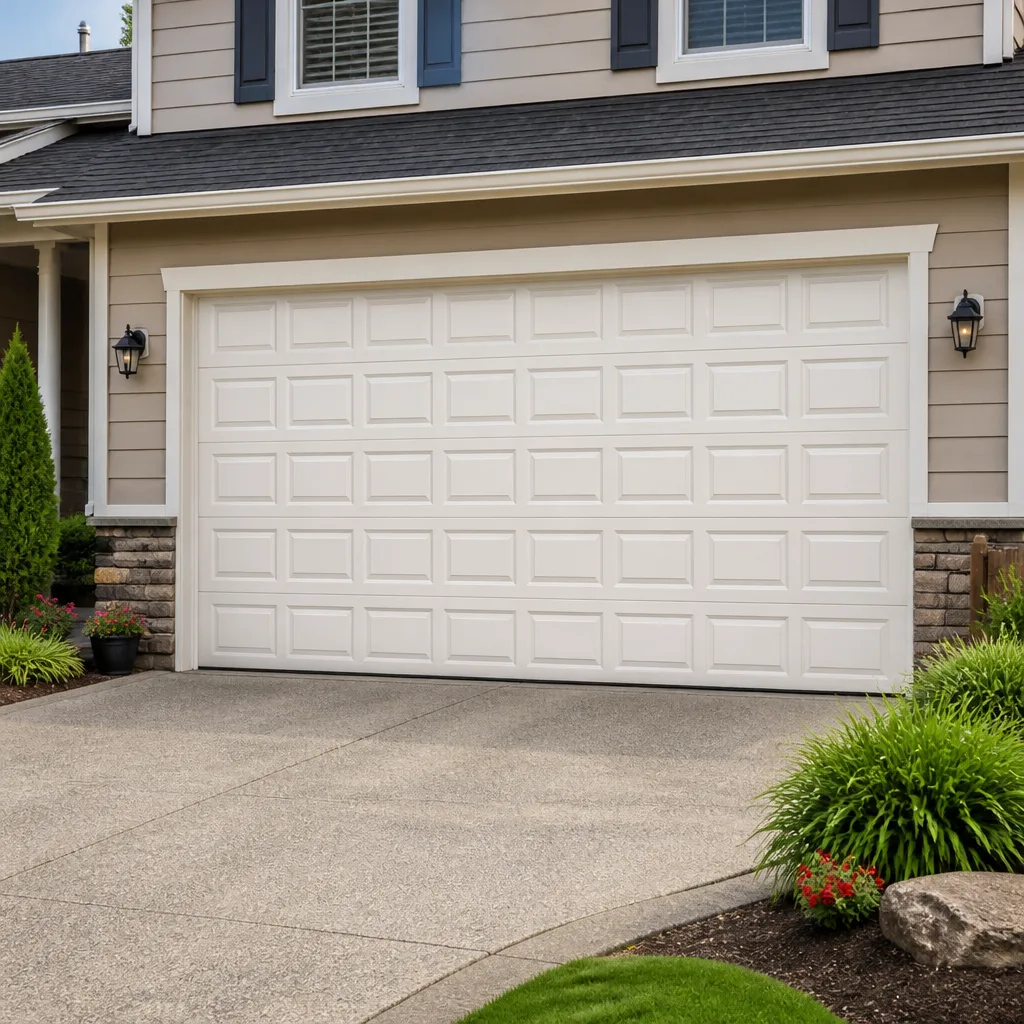 Raised-panel steel
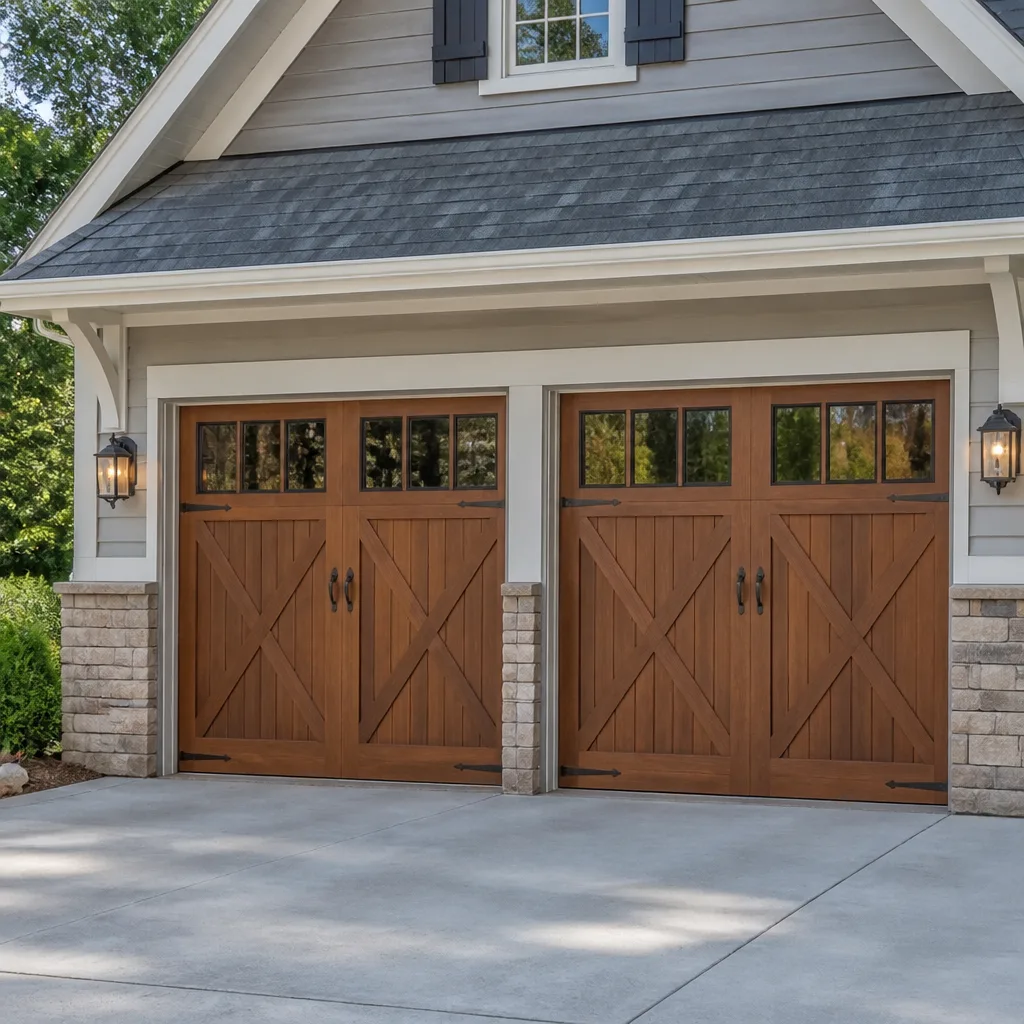 Carriage house
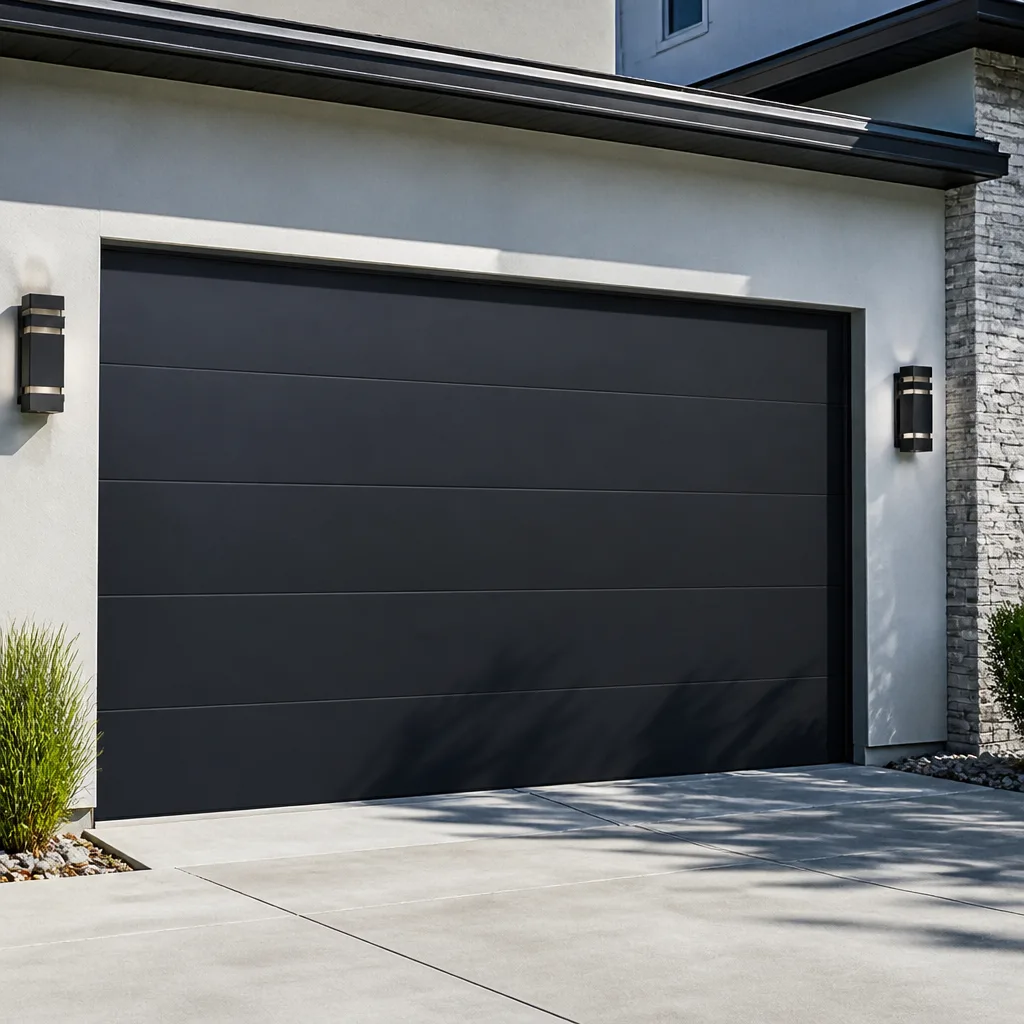 Modern flush
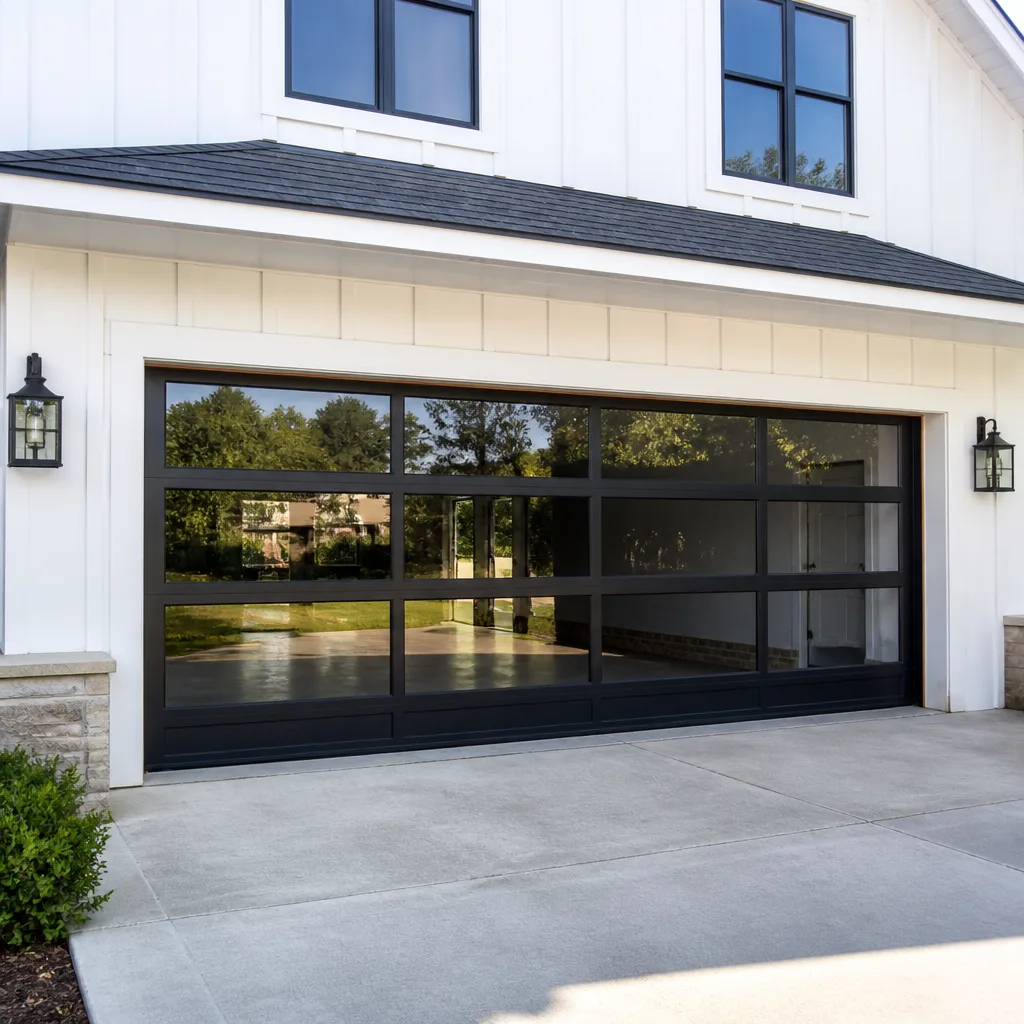 Full-view glass
 LiftMaster openers
 Chamberlain openers
Full 25-point door and opener safety check with every visit - springs, cables, rollers, tracks, and your LiftMaster or Chamberlain opener included
You get a price before we start. It does not change when the pro arrives.
Get your free estimateGarage Door Emergency Preparedness Guide for Davie Homes
Most homeowners treat their garage door like an appliance that either works or doesn’t. That view falls apart the moment a storm is bearing down on Broward County and the door won’t budge. The counterintuitive part is that the failure almost never happens at the moment you need the door; it happens quietly weeks earlier, in a release cord that has never been pulled, a spring that has been stretching past its service life, or a backup battery that stopped holding a charge sometime last summer. In Davie, a stuck door isn’t only a stranded car. It can block evacuation, keep you from getting back in, and leave a wide opening in the wind envelope of your home at exactly the wrong time. What follows is what we’ve learned working on garage doors across Davie: how your opener’s manual release actually works, how to secure a dead door from the inside, how to bring a system back online after an outage, and how to tell a safety lockout from a cosmetic dent. Read it before you need it.
Quick Answer
Emergency garage door preparedness in Davie comes down to four things you can control before a storm: knowing how your specific opener’s manual release works (each major brand differs), having the hardware on hand to brace a dead door from the inside, knowing the safe sequence for restoring automatic operation after power returns, and documenting your door and opener so repair or insurance calls move fast. The biggest gap we see is the manual release cord: nearly every homeowner has one hanging from their trolley and almost nobody has tested it. Test it now, in calm weather, so a failure during a hurricane isn’t the first time you find out.
Styles & brands we work with
- Raised-panel steel
- Carriage house
- Modern flush
- Full-view glass
- LiftMaster openers
- Chamberlain openers
Table of Contents
- How does the manual release work on the most common openers in Davie?
- How do you secure a garage door from the inside when the opener fails?
- What’s the correct sequence for restoring automatic operation after power returns?
- How do you tell safety-lockout damage from cosmetic damage?
- What should you photograph and document before storm season?
- What’s a realistic garage door prep routine for Davie’s storm season?
- When should you call a professional instead of handling it yourself?
How does the manual release work on the most common openers in Davie?
The manual release is a cord (or in newer systems, a lever or a keyed external cylinder) that disconnects the door from the opener’s trolley so you can lift it by hand. The core idea is the same across every brand, but the hardware and the way you pull it are not. This is the single most important thing to know before a storm, and it’s the one most Davie homeowners have never practiced.
Here’s how the release works across the opener families we work on most:
- LiftMaster and Chamberlain (the myQ ecosystem): These share the same trolley release design. The cord hangs from the trolley carriage. Pull it straight down and slightly toward the door, then lift the door by hand. Many of these units can also be paired with an external keyed release, which we cover below.
- Craftsman: Most older Craftsman openers use the same pull-cord trolley release. The cord can fuse or seize from disuse, so pull it firmly; if it doesn’t release, don’t yank hard enough to break the trolley, call us.
- Genie: Genie trolleys vary more by model than the others. On many, the release is a lever or a cord near the rail. Confirm which before you need it.
- Wayne Dalton and Raynor: These are door manufacturers more than opener manufacturers, so the release you’ll find depends on which opener was installed. On Raynor doors paired with a belt-drive opener, the cord is often tucked near the rail and easy to miss.
The external release key cylinder. This is the feature almost nobody knows exists. Many newer openers can be fitted with a keyed cylinder mounted outside the garage, usually near the door. Turning the key pulls the same release from outside, so you can disconnect the opener and lift the door manually even if you’re locked out. If your door has one, find it, make sure the key works, and store a copy somewhere off the property. If your opener supports one but it isn’t installed, that’s a worthwhile upgrade for a home in Davie, where being locked out during a storm event is a real possibility.
Practice the full release once, in daylight, with the door down. Pull, disconnect, lift, lower, reconnect. You want the muscle memory before an emergency, not during one.
How do you secure a garage door from the inside when the opener fails?
When the opener dies and no technician can get to you before a storm, you don’t need a hero; you need the door physically held shut. The goal is to distribute force across the door panel and the tracks, not to jam something through a handle. A single brace in the wrong spot can bend a panel or shear a hinge, which turns a temporary problem into a safety issue.
Here’s the hardware method. Use it only to secure the door, never to force it open or closed while the opener is still engaged:
- Disconnect the opener first. Pull the manual release so the door is free of the trolley. Never brace a door that’s still coupled to a powered or partially powered opener; you can damage the operator and the door.
- Lower the door fully by hand. Check that it sits square in the opening and the bottom seal meets the floor. If it doesn’t sit flush, stop and call us rather than bracing a misaligned door.
- Use a horizontal brace across the door’s vertical stiles. A length of 2×4 cut to fit across two or three stiles on the inside spreads load across the panel. Secure it with C-clamps or bar clamps over the stiles, not through the panel.
- Add a second brace if the door spans a wide opening. For a double-car door, a single brace may not be enough; add a second across the center stiles.
- Lock the door down at the track. If your door has manual locking bars or slide locks on the sides, engage them. On doors without them, a pair of vise grips clamped to the vertical tracks just above a hinge or roller can prevent the door from being lifted.
- Photograph the setup. Note the date and keep the images with your storm records so you can show a technician or insurer exactly what you did.
What we tell Davie homeowners is this: don’t bolt anything through a panel, don’t wedge a board under a single hinge, and don’t attempt to brace a door with a broken torsion spring. A door with a snapped spring carries no counterbalance, and a panel that comes down under its own weight is a serious injury risk. If that’s your situation, keep people and vehicles clear and call for help.
What’s the correct sequence for restoring automatic operation after power returns?
When the power comes back, the temptation is to hit the wall button and see if it works. Don’t. The reason is simple: your door has been sitting disconnected from the opener, and the opener’s travel limits and force settings may have drifted or been affected by the manual release. Re-engaging without an inspection is how doors get damaged and how people get hurt.
Here’s the sequence we walk homeowners through:
- Wait until the power is steady. Flickering power can leave the opener in a partial state. Confirm the outlet is live and the opener’s light (if it has one) is stable before you touch anything.
- Inspect before re-engaging. With the door still manual, check that the door moves smoothly by hand, the tracks aren’t bent, no roller is off its track, and no cable is slack or frayed. If the door binds or won’t lift, stop; the opener can’t fix a mechanical problem, and re-engaging will make it worse.
- Reconnect the trolley. Lift the door partway and let the trolley re-engage with the release arm, then confirm it’s seated. Give it a gentle pull to make sure it’s locked in.
- Check the safety reverse. Before you rely on the opener, lay a roll of paper towels or a 2×4 flat under the door’s path and confirm the door reverses on contact. Test the photo-eye system by blocking it with an object. If the door doesn’t reverse, stop and call us; that’s a safety failure.
- Reset the travel limits and force settings if needed. After a manual release, some openers need their limits re-taught. LiftMaster and Chamberlain units usually re-learn automatically, but Craftsman and Genie models sometimes need a manual limit adjustment. Follow your specific unit’s procedure.
- Do a full open-and-close cycle. Watch and listen. Uneven travel, a grinding sound, or a door that stops short all point to something that needs a technician.
If the opener is a LiftMaster or Chamberlain with the myQ app, reconnect the door to Wi-Fi after the power is back so you can monitor it. If your opener has a battery backup, confirm the battery is holding a charge; for a Davie home in storm season, that’s your door’s lifeline when the grid goes down.
How do you tell safety-lockout damage from cosmetic damage?
After a storm, you’ll be looking at your door and asking whether it’s safe to run. The way to tell is to separate damage that affects the door’s structure or its safety systems from damage that’s only surface. Safety-lockout damage means the door should not be operated at all until a technician sees it.
Treat it as a safety lockout if any of these are true:
- A panel is bent, dented, or separating from the stiles or hinges.
- A hinge, roller, or track is visibly bent or off its rail.
- A cable is slack, frayed, or detached.
- A torsion or extension spring is broken or visibly deformed.
- The door sits crooked in the opening, or one side is lower than the other.
- The bottom seal has pulled loose, or the door sits unevenly on the floor.
- The door is heavier than normal to lift by hand.
Treat it as cosmetic (but still worth noting) if:
- Only the paint or finish is scuffed or chipped.
- There’s a shallow dent that hasn’t separated the panel from its stiles and the door runs normally through a full cycle.
- The hardware is intact and the door moves smoothly by hand.
If you’re not sure which category you’re in, assume safety lockout. Keeping the door closed and calling a technician costs less than operating a damaged door and finding out the hard way. A door with a bent panel or a compromised track can fall off its tracks and injure whoever is under it.
What should you photograph and document before storm season?
Documenting your garage door before a storm is the single best thing you can do to make post-storm repair and insurance calls go faster. When a storm hits, you’ll be one of many, and the homes with organized records get served first. It takes about 15 minutes to do it, and it’s worth every minute.
Here’s what to capture. Take clear, well-lit photos of each item:
- The opener’s serial number and model sticker. Look on the back or underside of the motor housing. Photograph both the sticker and the serial number.
- The door manufacturer’s product approval sticker. On most residential garage doors, this is a label inside the door or on one of the stiles, and it lists the door model and its wind-load rating. This is often what an insurer or inspector asks for first.
- The door’s overall appearance from the street and from inside. Wide shots, plus close-ups of the bottom seal, hinges, and both springs.
- The opener’s manual release and any external key cylinder. Document where they are and photograph the key cylinder if you have one.
- The door’s full open-and-close cycle. A short video is ideal. It establishes a baseline, so if a problem appears after the storm, you can show what changed.
- The overall garage interior. A shot from each wall establishes your layout and any property stored in the garage.
Save all of it to the cloud, not just your phone. Take the same set of photos once a year before the heart of storm season. If you’re on the fence about a component’s condition, a free estimate from us before the season is a good moment to get a professional’s eye on it. One of the things we do at garage door repair calls across Davie is a full cycle inspection alongside whatever the homeowner called for, because pre-season is when it’s easiest to catch a worn part.
What’s a realistic garage door prep routine for Davie’s storm season?
Storm season runs roughly from June through November in Broward County, and the weeks before the peak are when a prepared home separates itself from an unprepared one. You don’t need a long checklist; you need a handful of habits you actually do.
- Test the manual release once a month during season. Two minutes, in daylight. Pull, lift, lower, reconnect. If the cord is stiff or the release won’t engage, call us.
- Test the safety reverse once a month. A door that doesn’t reverse on contact is a safety hazard regardless of storms.
- Check the opener’s battery backup. If your opener has one, verify it holds a charge, and know that it will only run the door a limited number of cycles once power is out.
- Lubricate the moving parts once a season. A garage door lubricant on hinges, rollers, and the torsion bar (not on the springs themselves) keeps everything moving smoothly under stress.
- Clear the door’s path. In a storm, you may need the door to open in a hurry. Keep the floor clear of anything that could block it.
- Watch the weather and know what your door can handle. If your door’s product approval sticker shows a wind rating, know what it means. If it doesn’t, or the sticker is missing, ask us to look at it before the season.
- Keep your documentation current. Re-take the photos if you’ve replaced parts or the opener.
Davie’s climate during storm season means the door is cycling more often in humid, sometimes gusty conditions, and those cycles wear on springs, rollers, and openers. A monthly check that takes ten minutes catches the problems while they’re still cheap to fix.
When should you call a professional instead of handling it yourself?
Call a professional whenever the door won’t move, won’t reverse, or shows signs of structural damage. That includes a snapped spring, a cable off its track, a bent track, a door that’s off its trolley and won’t re-engage, and any door that fails the safety reverse test. Springs and cables carry high tension, and a do-it-yourself attempt on either is the leading cause of serious injury in the trade. That’s the reason we treat spring repair as its own service and why we don’t hand out DIY steps for it.
Our technicians have up to 14 years of experience and work on every major opener and door brand you’re likely to have, so we walk in knowing the failure patterns of whatever system is on your garage. If the door is beyond repair, we handle garage door installation as well, from measuring through final adjustment. For opener-specific failures, we handle garage door opener repair on smart, legacy, and hybrid systems. If it’s an active emergency, here’s Davie Garage Door Repair Pros.
Davie Garage Door Repair Pros offers free estimates in Davie. Call (855) 658-4182. We answer 24/7. Fast dispatch from 7am to 7pm, Sunday through Friday.
Common Mistakes to Avoid
- Never testing the manual release. The cords seize from disuse, and a release that won’t pull during a storm leaves you with a door you can’t move by hand. Test it in calm weather so the first failure isn’t a real one.
- Yanking a stuck release cord. Pull firmly but not violently; if the trolley won’t release, stop and call us. Breaking the trolley turns a five-minute fix into a bigger repair.
- Bracing a door that’s still coupled to the opener. Bracing a connected door puts the load on the operator and the door’s hardware, and it can bend a panel. Disconnect first.
- Re-engaging the opener without inspection after power returns. The door may have shifted while disconnected, and hitting the wall button without checking the tracks, cables, and rollers is how doors come down.
- Treating a bent panel or a snapped spring as cosmetic. If it affects the door’s structure, keep it closed and call us. Operating a damaged door is how injuries happen.
- Assuming an opener without a battery backup will carry you through an outage. If your opener has no backup, plan for a manual release and a dead door, and prep the door to be secured from the inside.
- Skipping documentation. Without photos of your serial numbers and product approval stickers, a post-storm insurance or repair call moves slower than it should. Do it once a year and save to the cloud.
See the difference
 Before
 After
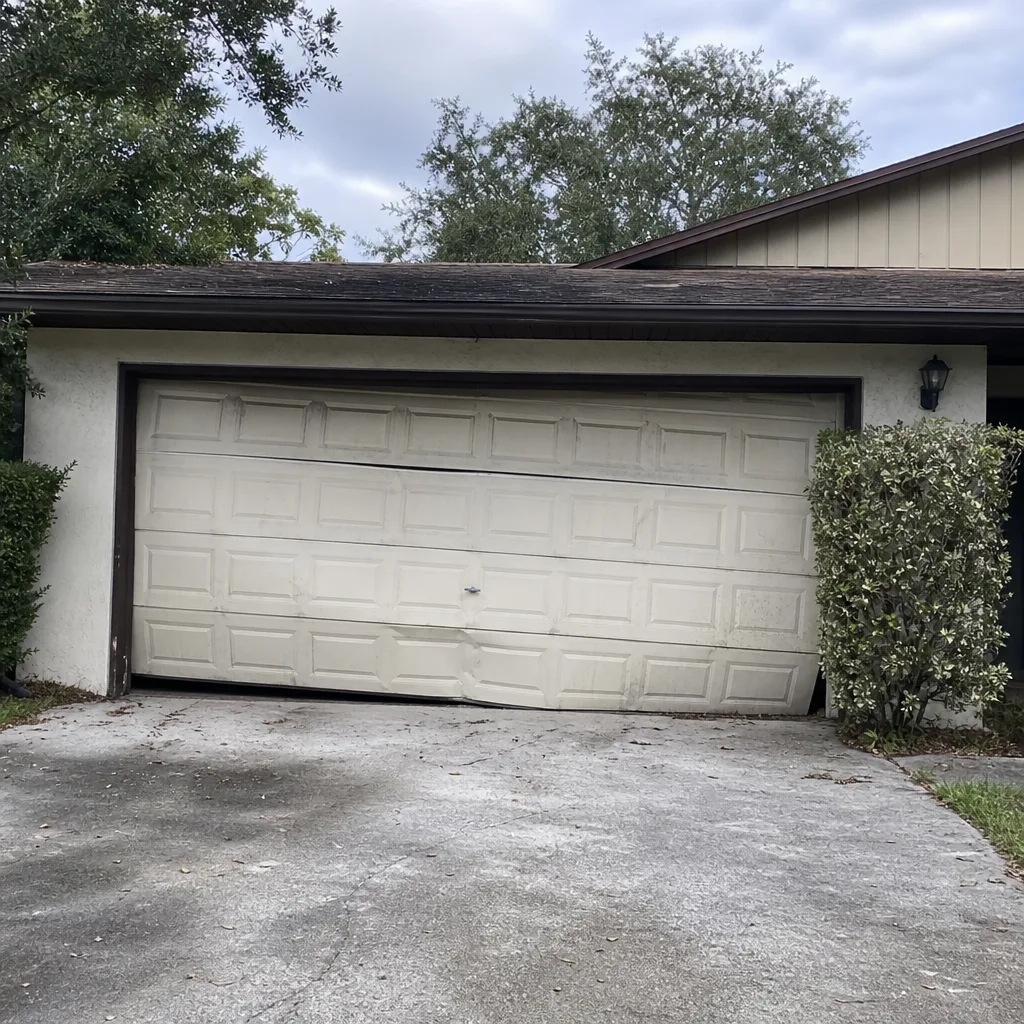 Before
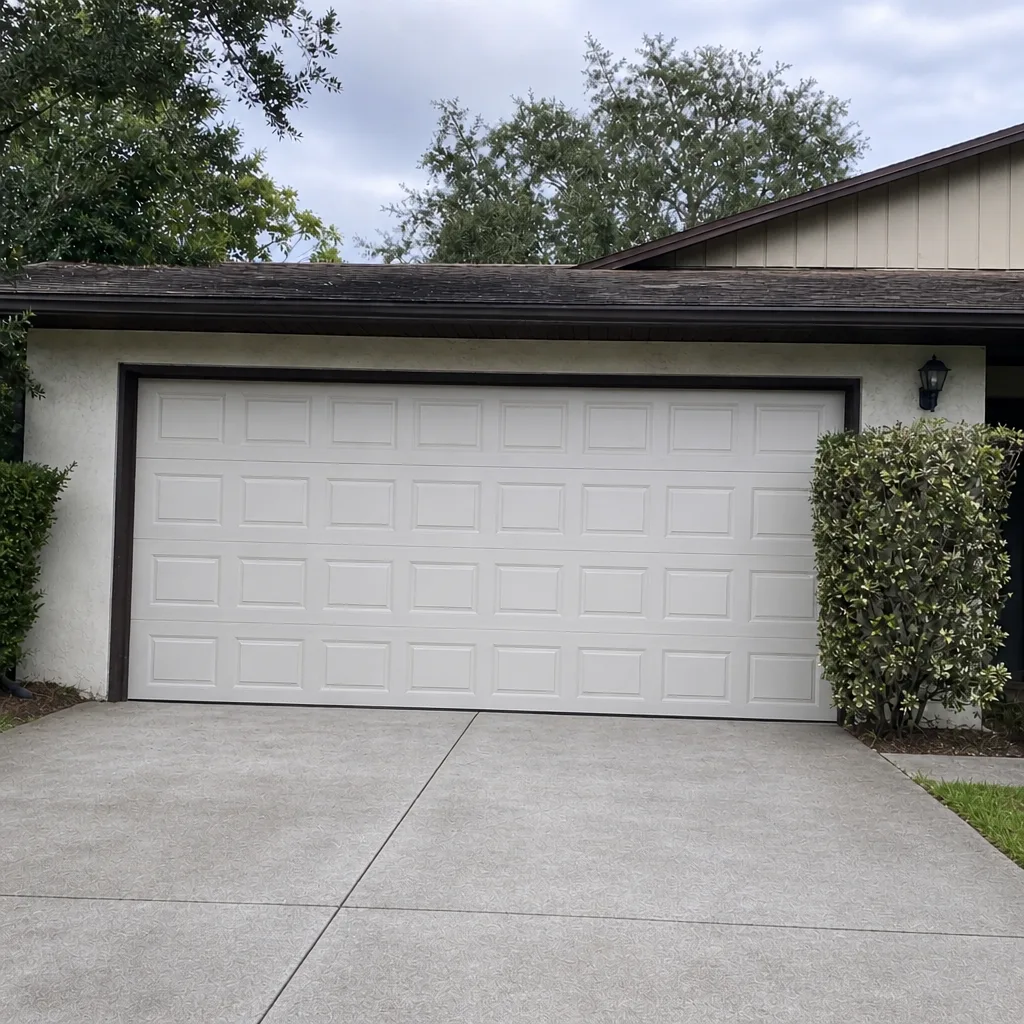 After
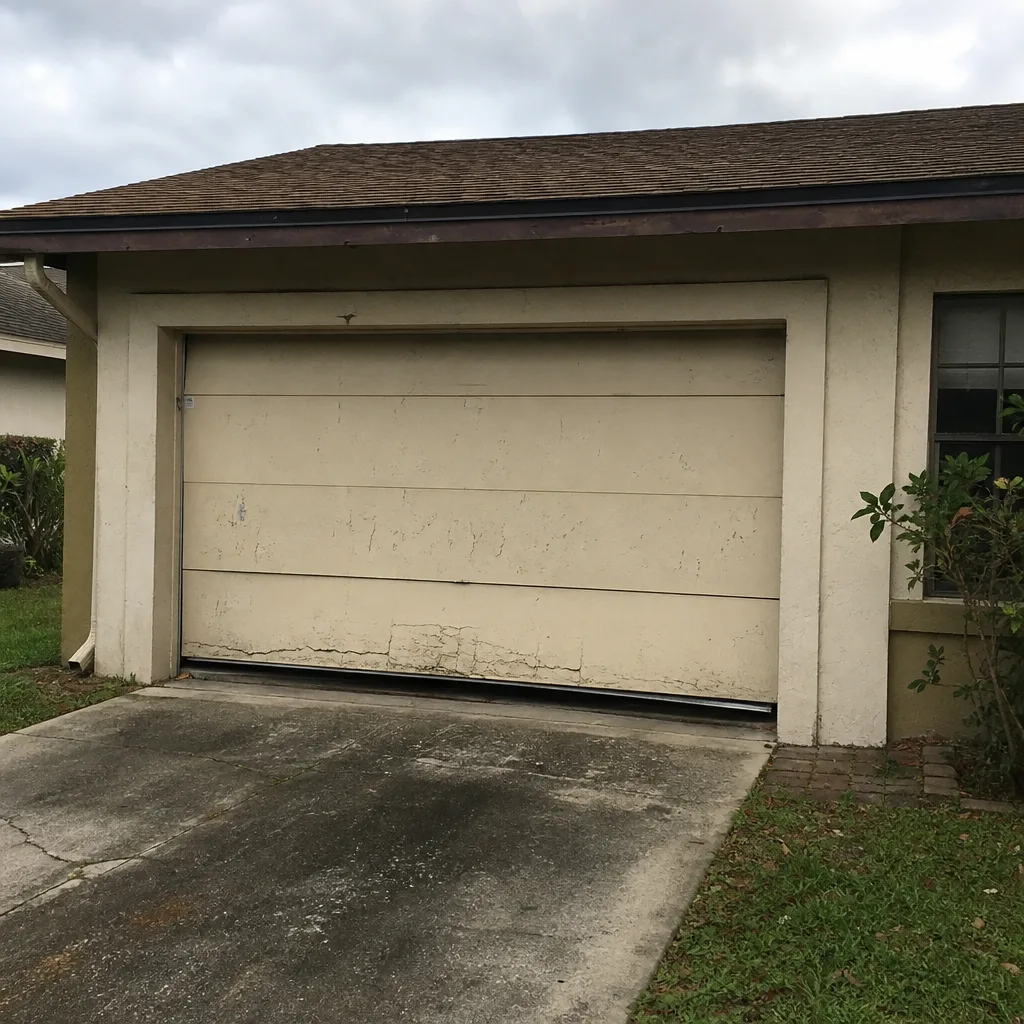 Before
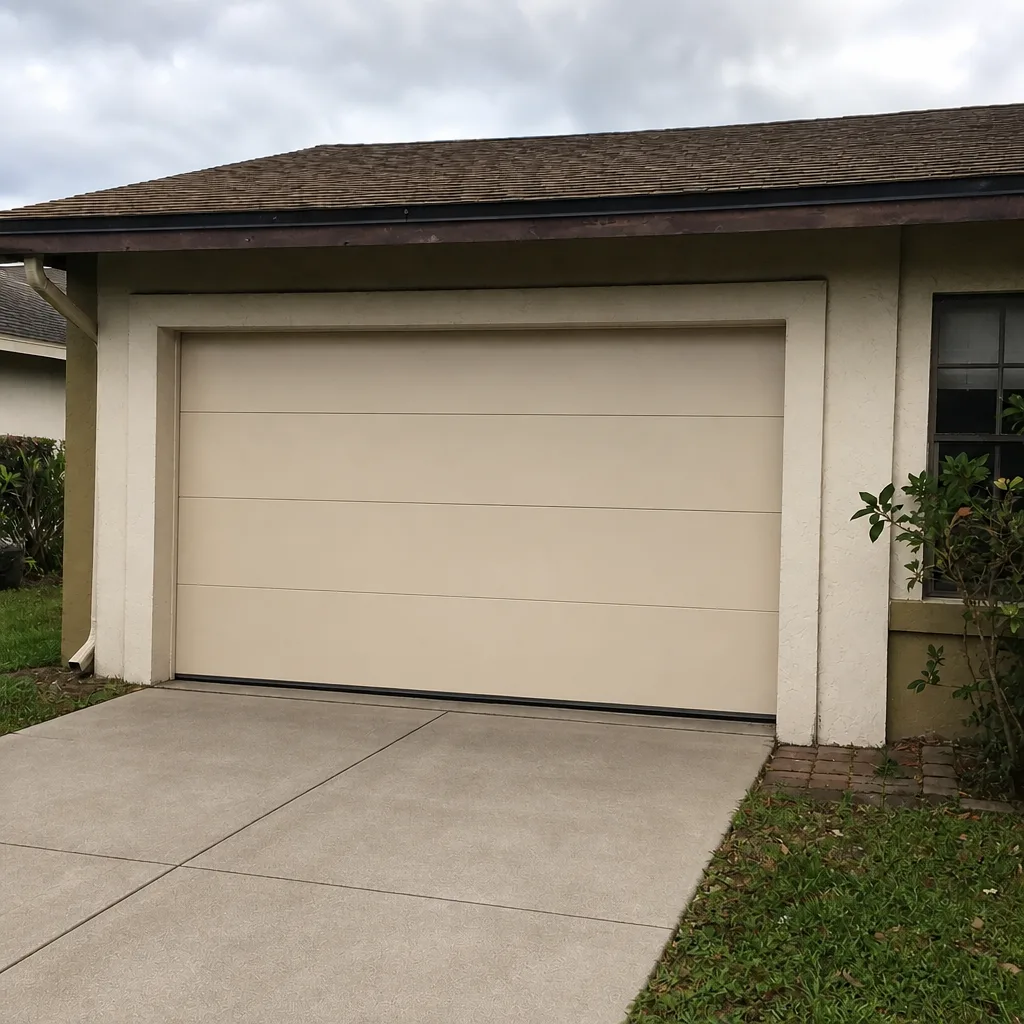 After
When to Call a Professional
Call a professional for anything that affects how the door moves, reverses, or secures. That means a snapped or deformed spring, a cable off its track, a bent track, a door that won’t sit flush in the opening, a failed safety reverse, and any door that’s heavier than normal to lift. A door that’s stuck, off its trolley, or showing a bent panel after a storm is a safety lockout until a technician has seen it. A door that’s just cosmetic can wait for a regular appointment. When in doubt, keep the door closed and call. The price is quoted and agreed before any work starts, so you’ll know the cost before the work begins. Davie Garage Door Repair Pros offers free estimates in Davie, and we work on every major brand, from LiftMaster to Raynor. Call (855) 658-4182. We answer 24/7. Fast dispatch from 7am to 7pm, Sunday through Friday.
Frequently Asked Questions
A single spring replacement in Davie typically runs about $180 to $340, and since matched springs are almost always replaced as a pair, expect roughly twice that range for the pair. The written estimate sets the final price, and the price is quoted and agreed before any work starts. Call (855) 658-4182 for an exact quote; estimates are free.
It’s usually a label on the inside of the door, often near a stile or on the bottom panel, and it lists your door model and wind-load rating. If yours is missing or worn off, that’s worth knowing before storm season, because it’s often what an insurer asks for. We can help you identify the door and opener if the sticker is gone.
Treat your door as closed and secured during a watch, and use the manual release only to disconnect the opener if the power is out or unreliable. Don’t run a door that’s showing a bent panel, a snapped spring, or a failed safety reverse; that’s a safety lockout. If your door is damaged, keep it closed and call us.
It’s safe if the door runs smoothly through a full cycle, reverses on contact, and shows no bent panels, tracks off their rails, or slack cables. If any of those are present, the door should not be operated until a technician sees it. When you’re not sure, keep it closed and call.
Reconnect the trolley, check the safety reverse, and re-teach the travel limits if your opener needs it (LiftMaster and Chamberlain usually re-learn automatically; Craftsman and Genie units may need a manual adjustment). Then run a full open-and-close cycle and watch it. If it binds or stops short, call us for opener repair.
The local professionals we connect you with are licensed and insured as their state requires. Our technicians have up to 14 years of experience, and we work on LiftMaster, Chamberlain, Genie, Clopay, Amarr, Wayne Dalton, Craftsman, and Raynor systems specifically. We answer 24/7. Fast dispatch from 7am to 7pm, Sunday through Friday. Call (855) 658-4182 for an exact quote; estimates are free.
The Bottom Line
Emergency garage door preparedness in Davie is a habit, not a purchase. Test your manual release once a month during storm season, know whether you have an external key cylinder, keep a brace and clamps on hand to secure a dead door from the inside, and document your door and opener before the season. When power returns, inspect before you re-engage, and treat any bent panel, cable, or spring as a safety lockout. If something’s beyond what you can safely handle, call us. The written estimate sets the price, and it’s agreed before any work starts. Call (855) 658-4182. We answer 24/7. Fast dispatch from 7am to 7pm, Sunday through Friday.
Written by the team at Davie Garage Door Repair Pros.